|
|
EXPLORE SOME OF OUR pAST INITIATIVES
ARTISTS
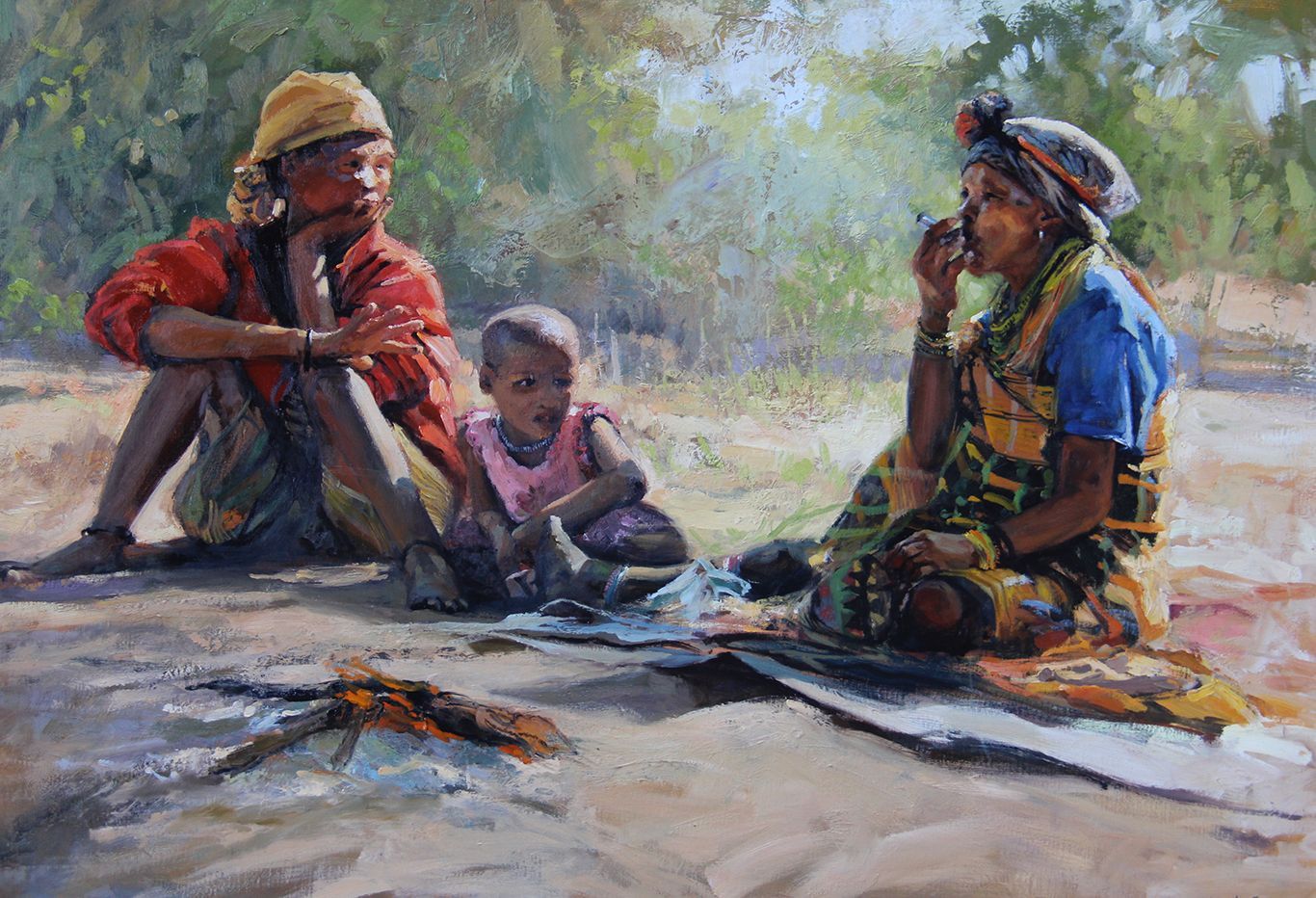
Lynne-Marie Eatwell
Peoples of the Lost World
"As a young girl I was inspired by a book on my shelf that once belonged to my grandmother. It was about North-eastern Namibia. I remember looking at pictures of San People, typically portrayed in loincloth with bow and arrow in hand. There was an image of a young Khoisan girl; her features where delicate and I suppose she reminded me a bit of myself, her western t-shirt was stained by the earth while mine washed clean of any blemish. I remember thinking to myself that one day, I would like to find these people and paint their portraits. I would like to travel the world and have an adventurous life and I wanted my art to take me there."
step
01
online application
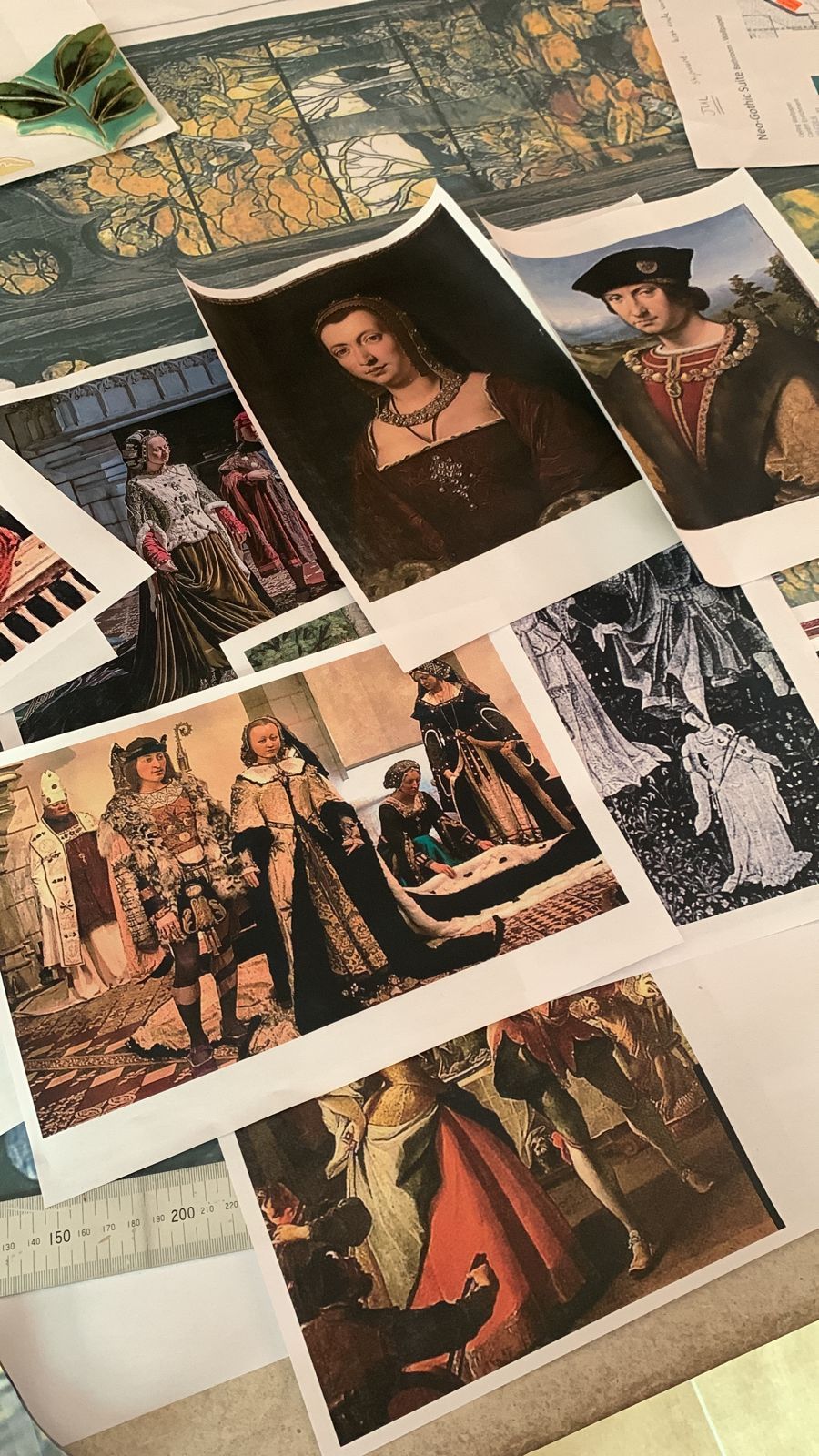
Madeleine Henning
Unconventional beauty in shape and form
Madeleine is a ceramic artist with 9 years of teaching experience. She runs Rhoda & Madeleine Henning Pottery Studio in partnership with Rhoda Henning, where they give weekly pottery classes to more than 70 students as well as interactive pottery classes for corporate team-building and social events.
Madeleine took part in various ceramic and art exhibitions, including solo and group exhibitions at the Pretoria Arts Association and Ceramics SA National and Regional Exhibitions.
Madeleine’s art is inspired by unconventional beauty in shape and form, both simplistic as well as detailed. She aims to communicate emotion and evoke memories through ceramic imagery. Her preference for clay as a medium lies in its limitless nature that allows complete freedom of design and expression.
step
01
online application
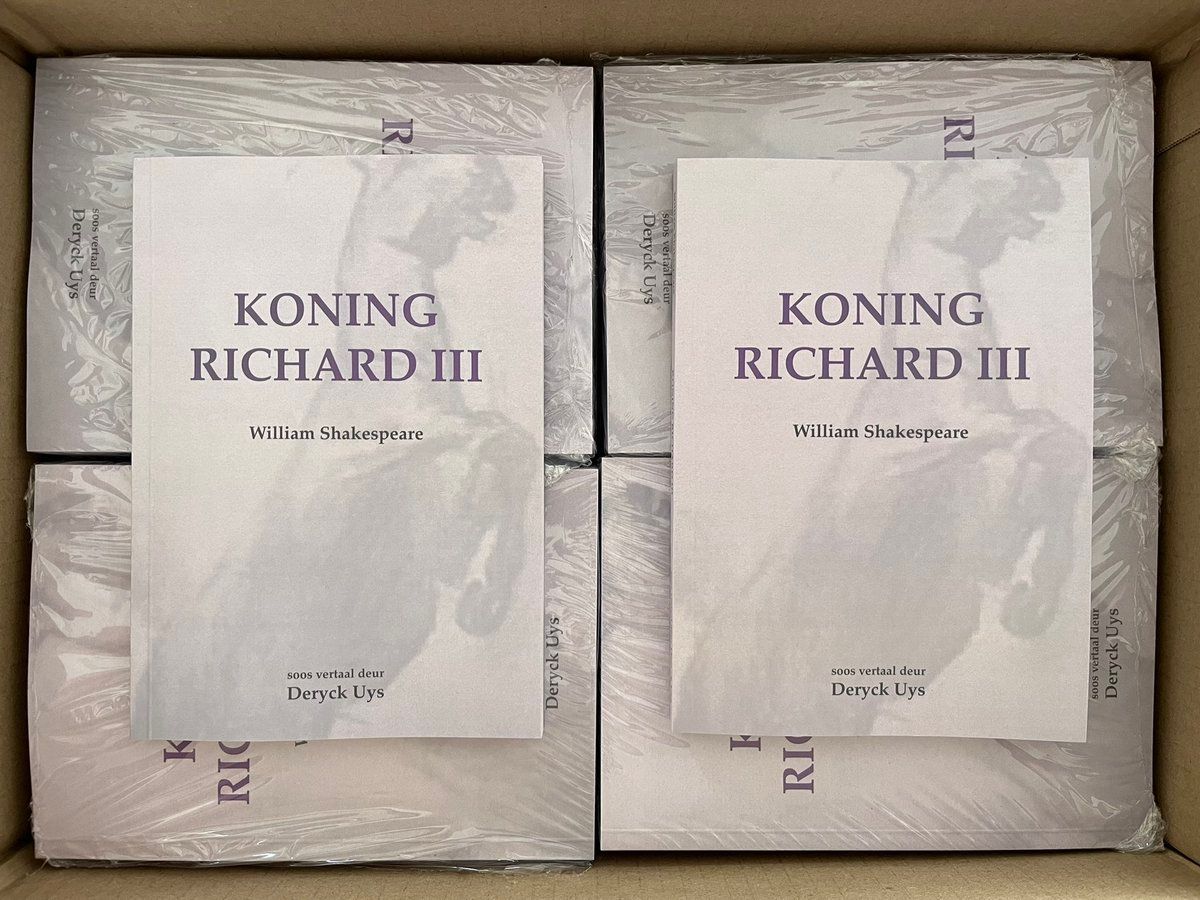
Tsikinya-Chaka Centre
Afrikaans Shakespeares
At the end of 2020, just before the world became a totally different place, the counsel members took note of a "hidden" archive of about fifty translations of Shakespeare's plays into South African languages, over half of them in Afrikaans, and many of them by key figures in Afrikaans' literary and cultural history - Andre Brink, Breyten Breytenbach, Uys Krige and Eitemal among others. The Tsikinya-Chaka Centre was instrumental in digitizing and make publicly accessible these "lost" translations; complementing other areas of emphasis - supporting theater makers performing Shakespeare in South African languages and teachers who incorporate bi- and multilingualism into their classroom practice.
According to Uys, “Translating poetry, including the blank verse of the Shakespeare plays, is vastly different from translating prose. The translator must be a poet. The translations must stand alone, as works of art in their own right. The poet paints pictures for the inward eye and composes music for the inner ear.”
step
01
online application
BUKKENBURG STUDIO
A Life Shaped by Earth, Guided by Care
In the gentle hush of Cresset House near Johannesburg, in the early 1970s, a spark of clay transformed into a calling. There, guided by Gordon Wales, David Schlapobersky first felt the rhythm of the wheel, earth spinning into form, offering solace and purpose. Together with Felicity Potter, whom he met in 1972, he discovered that love, art, and compassion could merge in the same hands. From the very beginning, their shared values of humanity, social responsibility, and creative communion wove through every act of making.
David, a second-generation South African whose grandparents emigrated from Lithuania at the turn of the 20th century, carries in his being a legacy of resilience and tenacity. Felicity, born of German and British roots, brought design sensibility and a painter’s touch to their joint journey. Their home was always their studio, their studio a home, united by the presence of James, Felicity’s son, whose tender care shaped the rhythm of their lives and creative work.
step
01
online application
TIENIE PRITCHARD
The Human Form in Bronze
“As a young artist I became fascinated with the human figure. I remember the first time I began shaping clay into the form of a body — how something so simple could begin to hold presence, weight and character. In that moment I realized that sculpture could capture more than appearance; it could express the quiet strength and spirit of being human.”
I spent years studying the anatomy of the body, observing the rhythm of muscles, the balance of posture and the subtle gestures that give life to form. Through clay and bronze I found a way to explore those qualities — to translate movement, emotion and timeless beauty into something enduring.
My work often draws inspiration from mythology and classical traditions where the human figure represents more than itself. These figures become symbols of courage, grace and the universal stories that have shaped humanity for centuries.
Through sculpture I continue to explore the relationship between body and spirit, shaping forms that celebrate the strength, vulnerability and dignity of the human form.
step
01
online application
Adriaan Boshoff
Light, Landscape and the Inner Eye
Adriaan Boshoff was drawn from an early age to more than what the eye could see — he was captivated by the feeling within a moment, the quiet presence carried by light and atmosphere. For him, painting became a way to hold the intangible, capturing not just scenes, but the emotional essence of being within them.
He developed a deep sensitivity to light and its shifting nature across the South African landscape, understanding how it could soften form and transform the ordinary into something luminous. His work reflects a belief that painting is not imitation, but translation — a movement from sensation and memory into visual form.
Nature remained central to his vision. His landscapes breathe with mood and presence, while his figures reveal a subtle emotional depth, suspended between stillness and expression.
Through his art, Boshoff invites a quiet kind of reflection — preserving fleeting moments of beauty, and revealing the silent poetry that lives between light and time.
Aleta Michaletos
Ecorganic Alchemy and Light
“As a young student, Aleta moved from the rigid structures of architecture to the fluid possibilities of fine art. She remembers the first time she allowed the textures of nature to infiltrate her canvas—how the layering of light and pigment could hold a pulse and a life of its own. In that moment, she realized painting could capture more than a scene; it could express the ‘Ecorganic’ connection between our inner worlds and the macrocosm.”
She has spent over four decades in a sacred dialogue with her medium, observing the structured order hidden within nature’s chaos. Through the alchemy of oil and mixed media, Aleta explores the ‘Idyllirium’—translating the complexity of existence into a visual language of translucence and light.
Her work draws inspiration from Jungian symbols and the global search for harmony. These paintings serve as metaphors for transformation, where recurring symbols act as golden threads connecting the primitive source of creation to the contemporary human spirit.
Through her art, she continues to bridge the intellectual and the intuitive, creating works that celebrate the abundance, diversity, and eventual triumph of the creative soul.
Daleen Roodt
The Poetry of Botanical Life
“As I began spending time in the wild landscapes of South Africa, I became drawn to the quiet intelligence of plants — the way they exist, adapt and form delicate relationships within their environments. The first time I closely observed an orchid in its natural habitat, it felt like witnessing a living story unfolding in silence.”
My practice is rooted in observation, patience and respect for the natural world. I study plants in situ, learning their structure, rhythm and the ecosystems they depend on, where a subtle language of connection reveals itself.
Through watercolour, vellum, silverpoint and copper etching, I translate this into form. Each medium allows a different expression — from luminous softness to fine structural detail — shaped by both scientific observation and emotional response.
My work is inspired by the hidden relationships in nature, especially between orchids and their pollinators, reflecting a deeper interconnectedness that continues to guide my practice.
Check back often, as we regularly update with more inspiring initiatives.
|