|
|
Master Sculptor
Tienie Pritchard
A life devoted to sculpting the human spirit
(1938-2021)
The Sculptor of the Human Spirit
A Lifelong Patronage
There are rare artists whose creations carry the memory of eternity, shaping not just material but the very essence of the human soul. Tienie Pritchard was one such visionary—a master of bronze whose creations turn the human form into living poetry. Each curve, each subtle shift of weight in his sculptures speaks of emotion, courage, and the quiet dignity of being. To stand before his work is to feel the heartbeat of humanity captured in form, to sense the whisper of history, to relive long-forgotten myths, and to witness imagination intertwined.
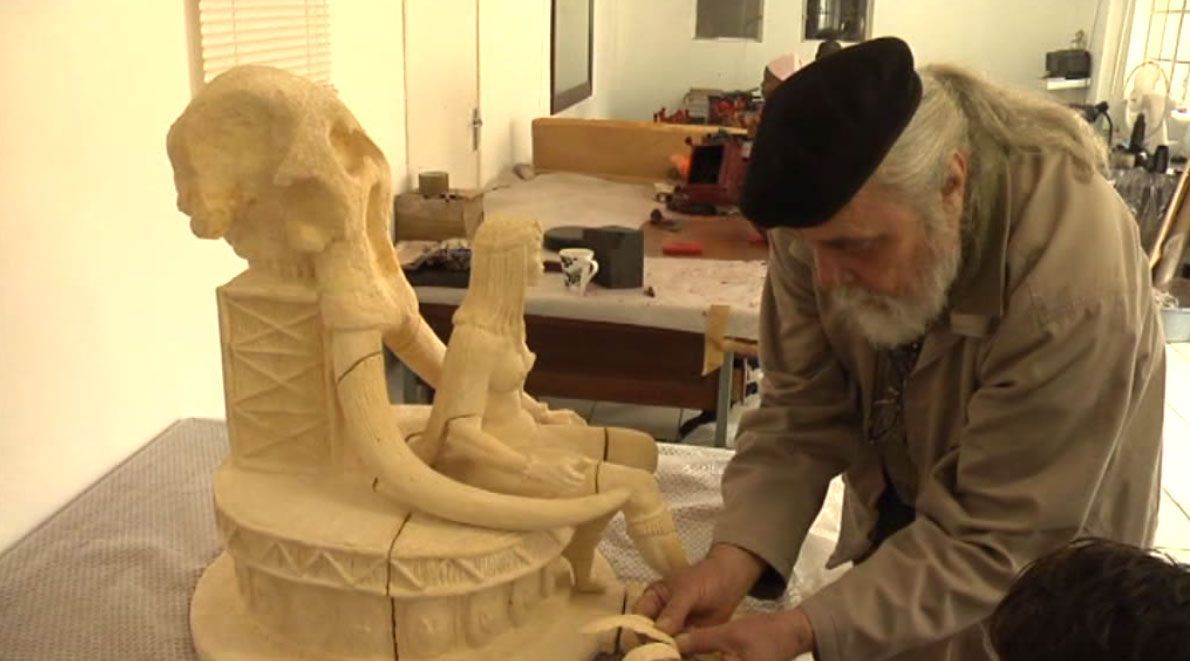
Born in 1938 in the remote town of Soekmekaar, South Africa, Tienie’s early life was shaped by solitude, vast landscapes, and the rhythms of small-town life. Even before fully embracing sculpture, he found himself drawn irresistibly to art. While working in public service, he devoted every spare hour to drawing, painting, and dreaming of forms that existed only in his imagination. Clay first became his language, a medium through which he could speak of what words could not reach—the eternal dialogue between
body, spirit, and narrative.
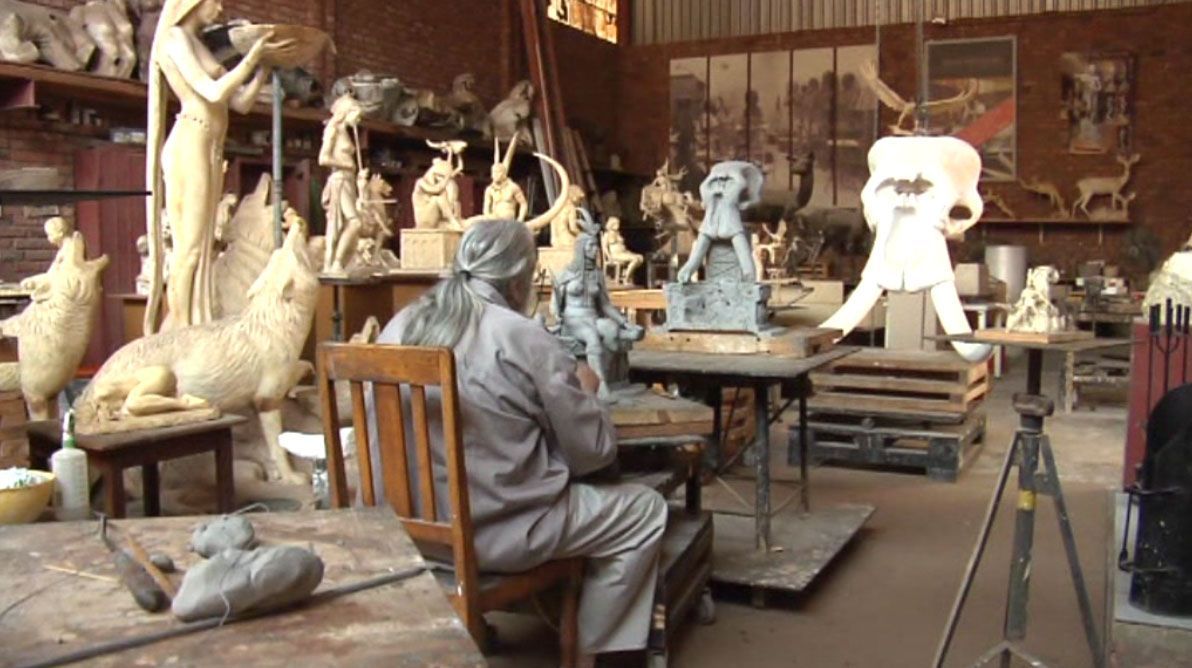
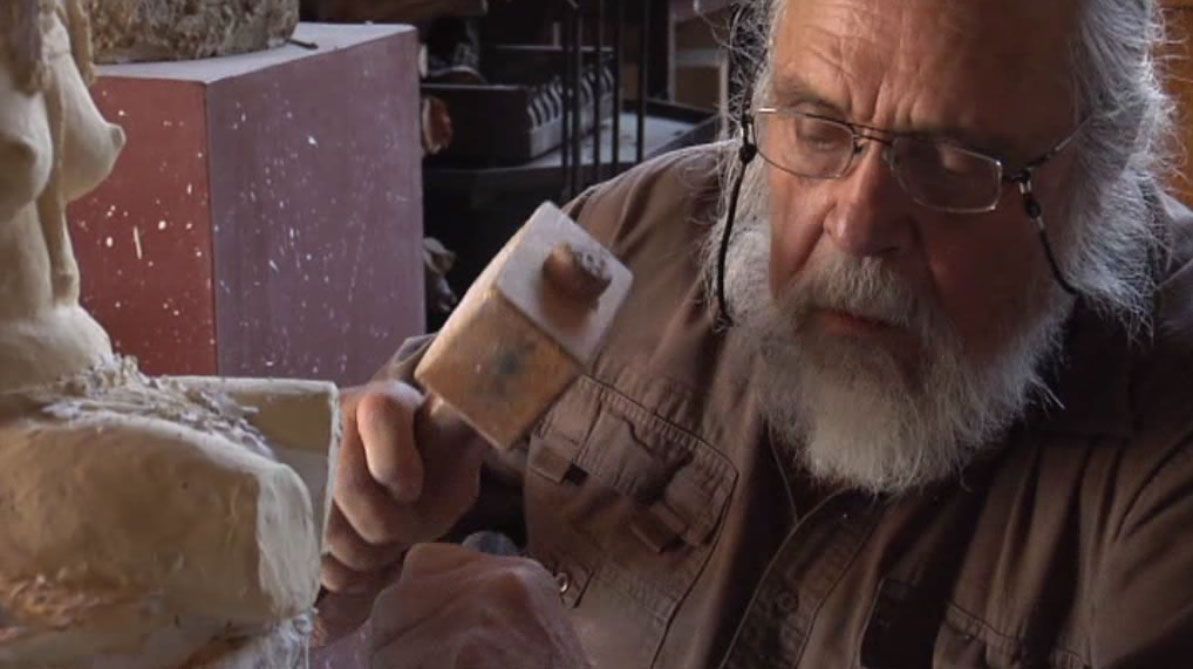
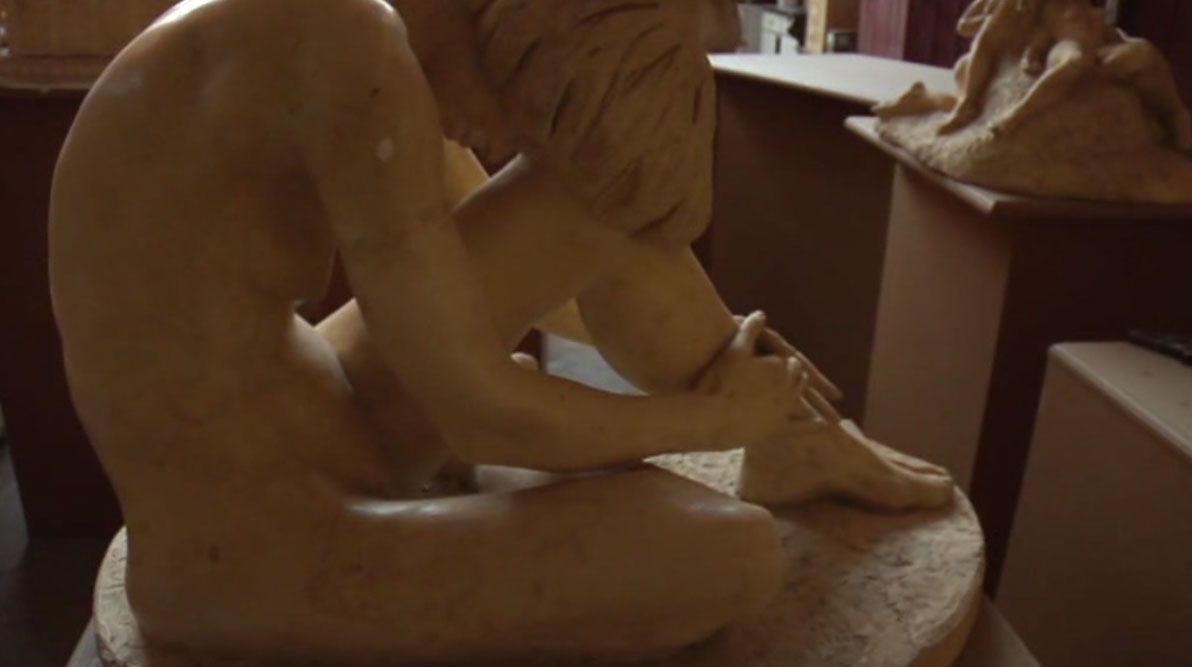
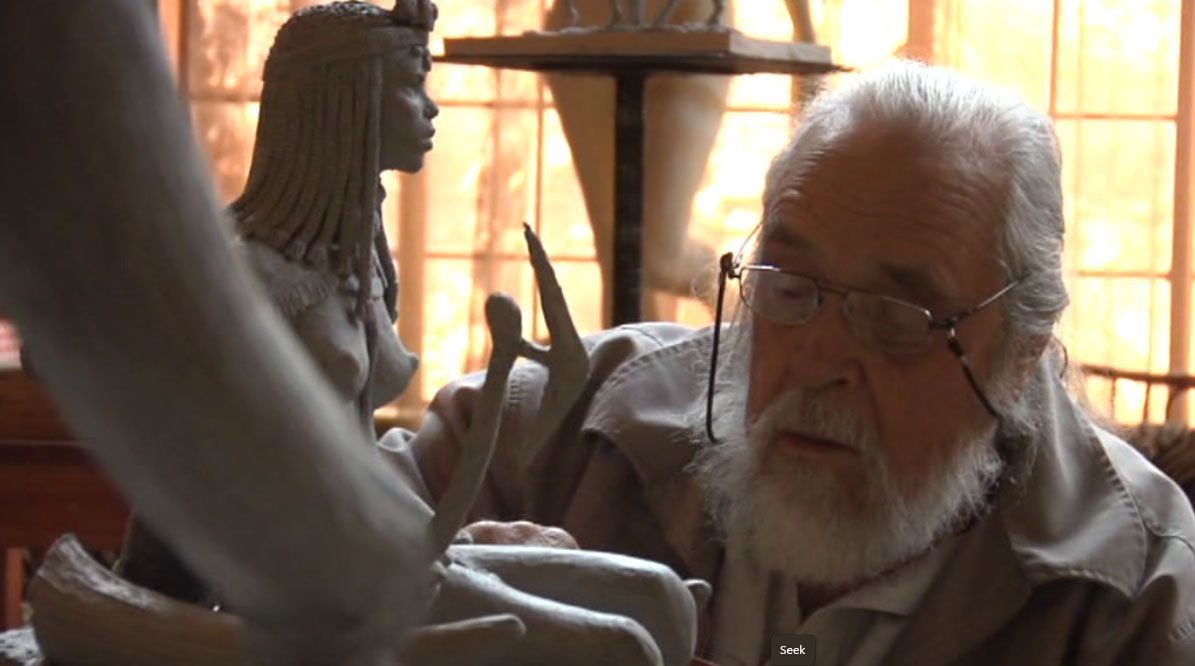
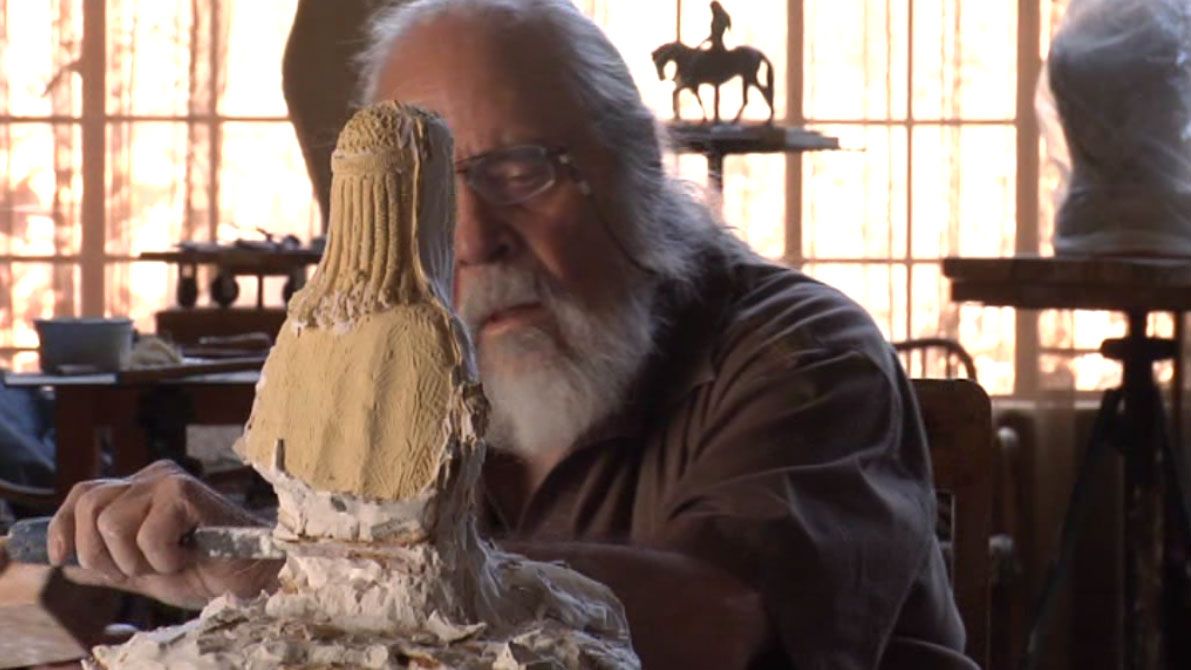
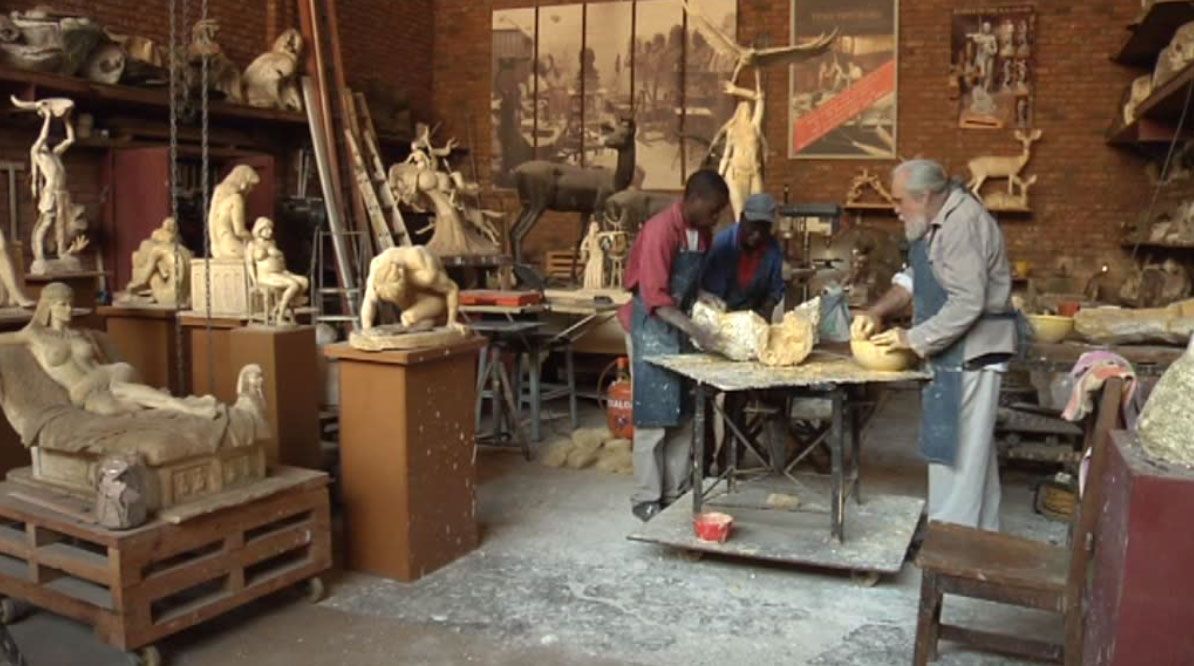
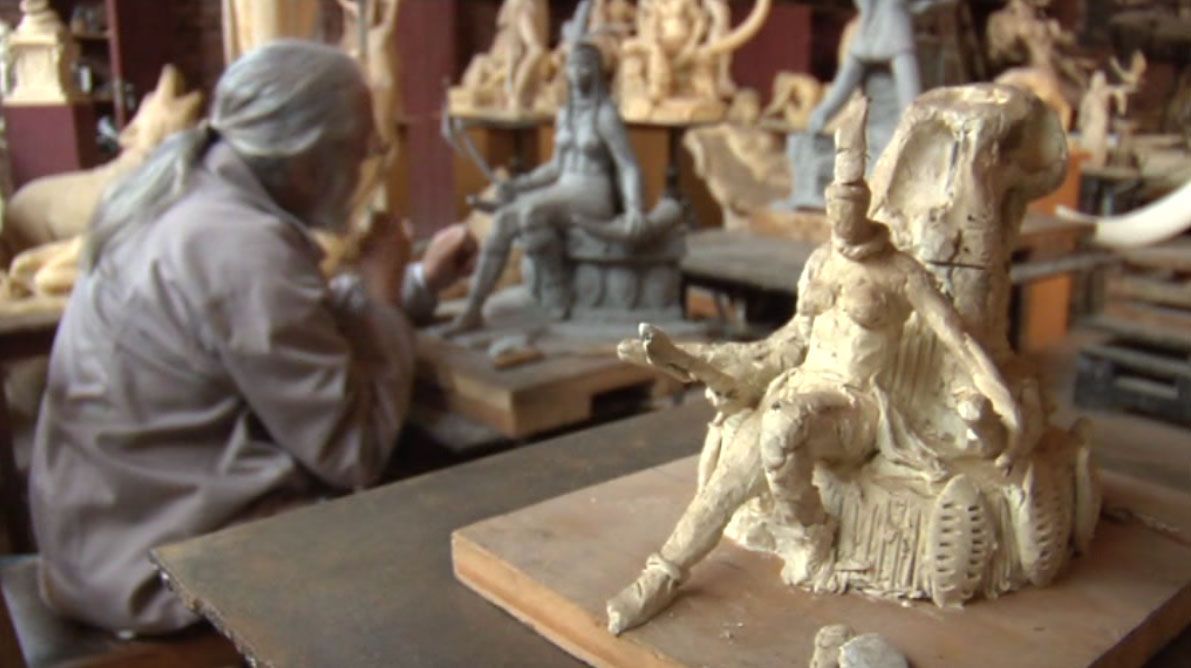
For Tienie, the human body was sacred. It was not merely flesh and bone, but a vessel of memory, myth, and emotion. The nude figure, in his hands, became a mirror of the soul, a conduit for expressing joy, vulnerability, courage, stature, and transcendence. To achieve this, he undertook a rigorous study of anatomy, assembling skeletons and learning every sinew, every contour of muscle and tendon, until his sculptures pulsed with authenticity and quiet vitality. In his studio, hours would pass in silent communion with clay, plaster,
and bronze, each form emerging as if it had been waiting centuries to take shape in his hands.
His first public commission, Life Cycle (1972), was as audacious as it was visionary. Depicting nude figures across the spectrum of human life, it challenged the conservative norms of the era, sparking debate and reflection alike. Yet for Tienie, this was not provocation—it was truth. In the delicate gestures and confident lines of his figures, he sought to honour the intimate poetry of existence, the fleeting beauty of life’s stages, and the timeless rhythm of birth, growth, and return.
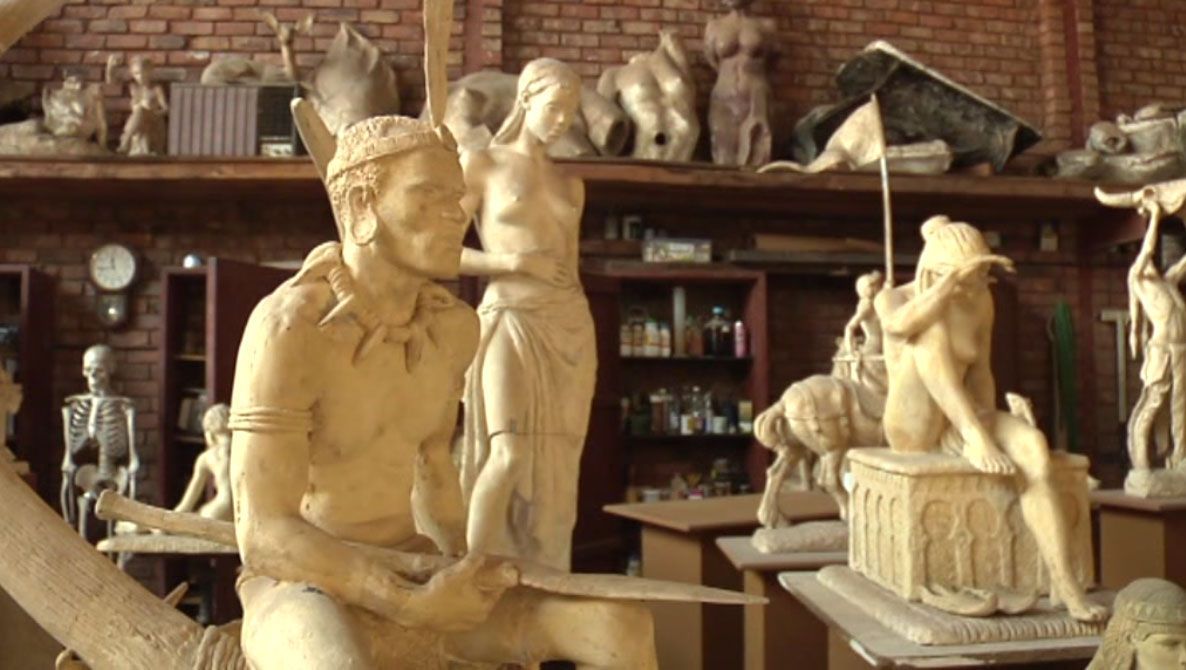
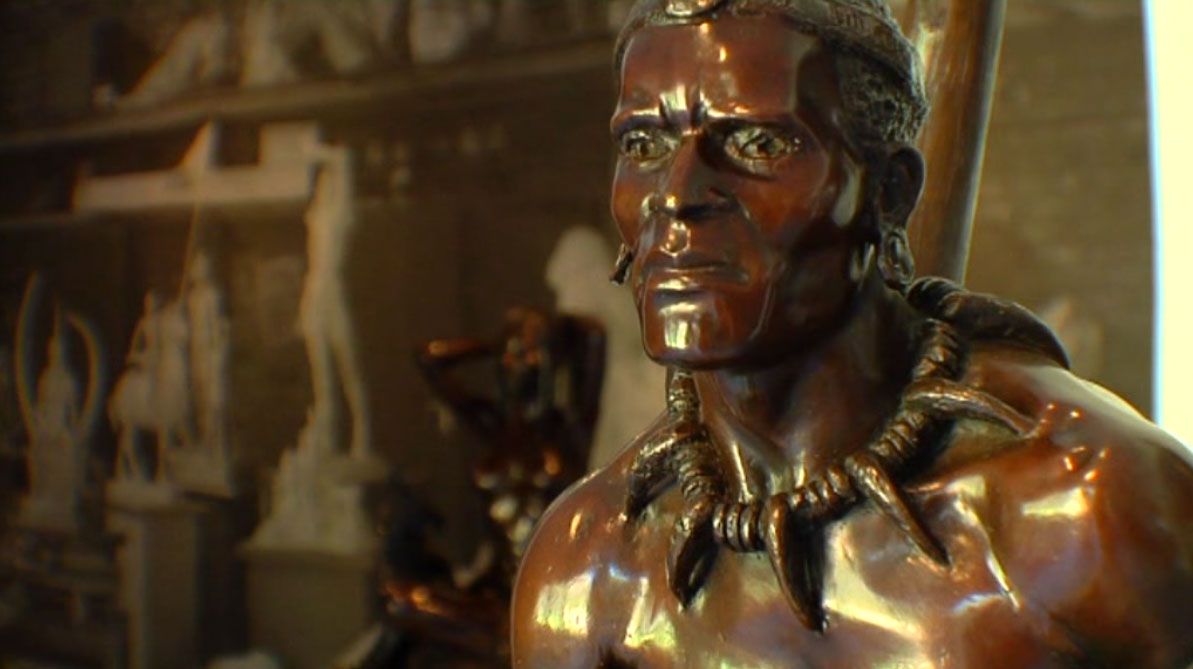
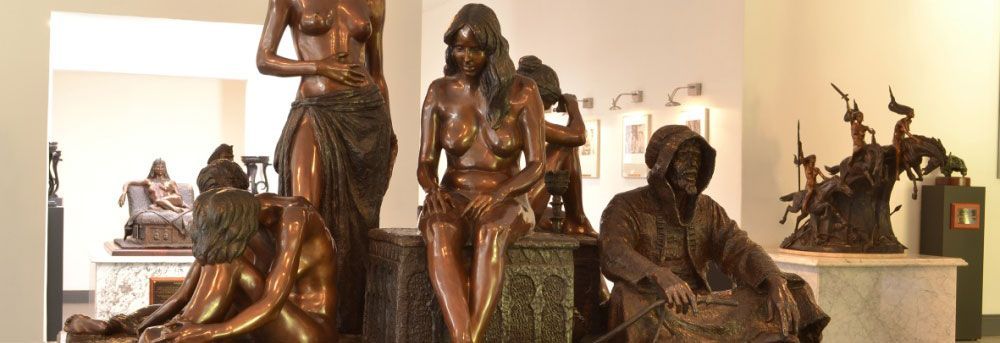
Pritchard’s inspiration drew equally from human history, myth, and divine imagination. His sculptures often feature figures who exist both in historic reality and in the realm of archetypes: African kings, queens, warriors, priestesses, and deities. Each form carries within it stories of courage, wisdom, and the eternal play of power and vulnerability. He captured Cleopatra not simply as a historical figure, but as a symbol of grace, intelligence, and command; Shaka Zulu not merely as a warrior king, but as the embodiment of human ambition and resilience. In works such as Modjadji – The Rain Queen, Search for Wisdom, and The Marriage Market, he wove symbolism, narrative, and spirit into bronze, creating sculptures that speak across time and culture.
His monumental public works are landmarks of South Africa’s cultural landscape. The nine-metre-high George Harrison, Discoverer of Gold in Johannesburg stands as a beacon of artistic courage and imagination, while the Water Nymphs at Bela-Bela’s warm springs celebrate the vitality and renewal found in the natural world. The War Panels at Delville Wood in France—ten metres long and three metres high—honour the sacrifice of South African soldiers with a solemn dignity that transcends monumentality, inviting viewers into
reflection and remembrance.
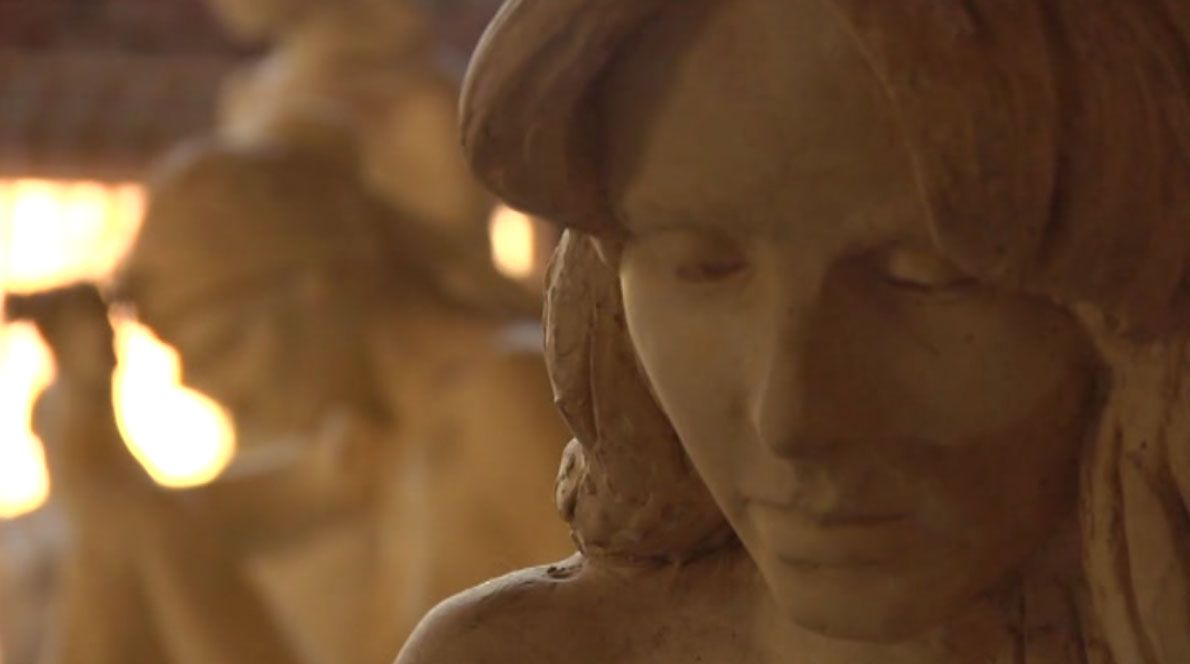
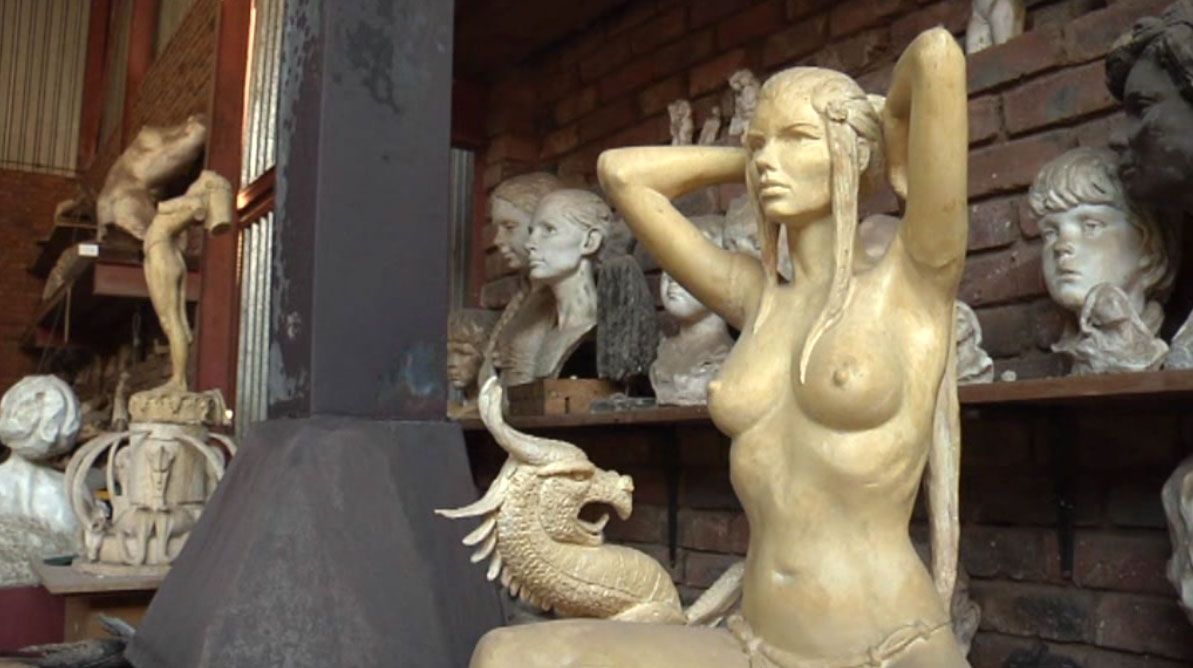
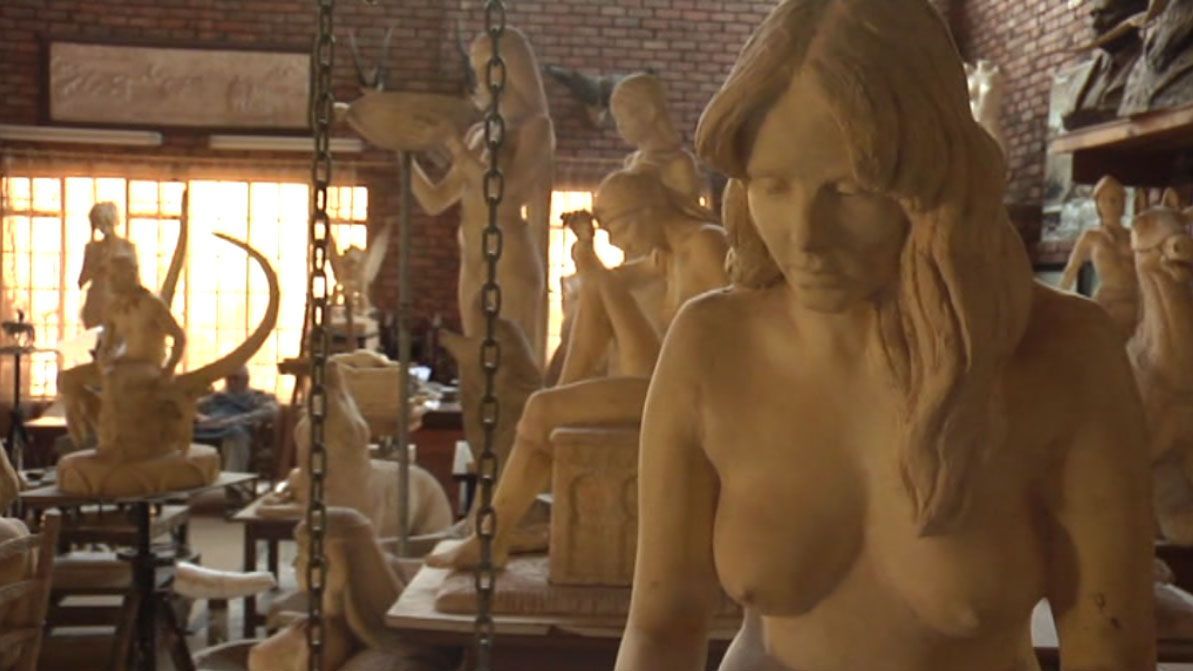
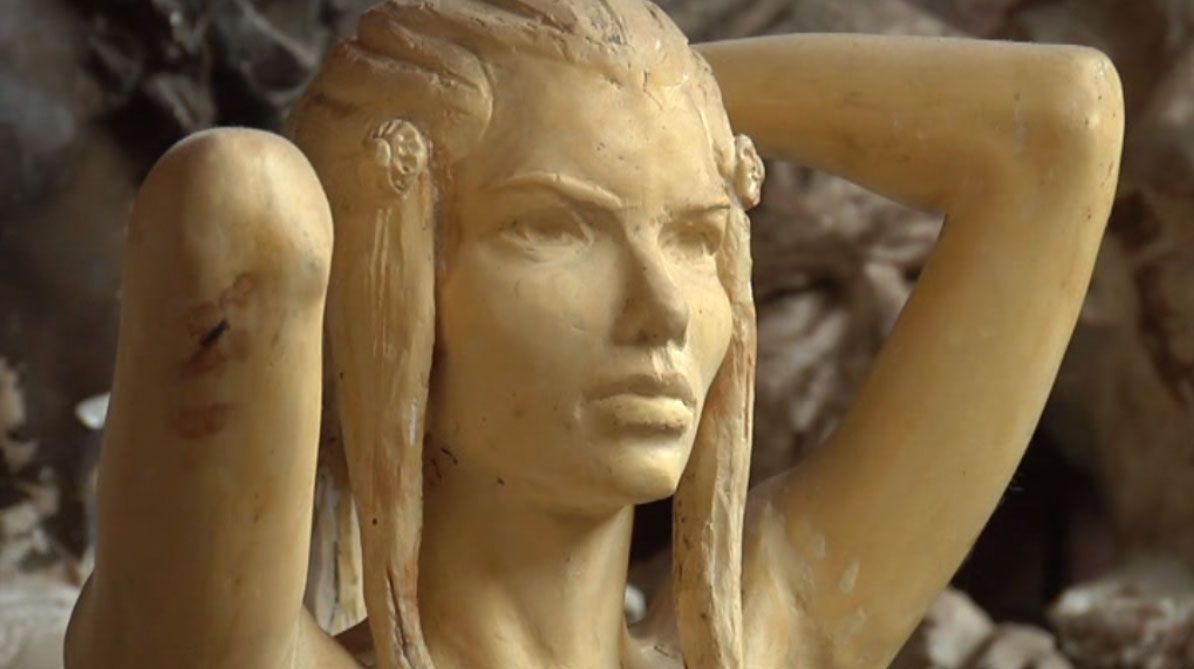
Yet Pritchard’s work is not defined by scale alone. His smaller bronzes reveal an intimacy and sensitivity that is equally powerful. Every hand, every tilt of a head, every breath captured in bronze speaks of an artist in love with form, movement, and the eternal drama of human existence. He often focused on the feminine, drawn to the rhythm, strength, and subtlety of female forms, seeing in them a bridge between the tangible and the spiritual, the historical and the mythic.
The former Tienie Pritchard Museum near Pretoria served as a sanctuary for his creations, a place where light, shadow, and space became collaborators in revealing the spirit within bronze, soon to be re-established at Château des Tesnières in France. Visitors will be able to wander among monumental figures and intimate studies alike, experiencing not only the skill of the sculptor but the depth of his devotion—the hours of quiet observation, his meditations on history and myth, and his relentless pursuit of capturing not what the eye sees, but what the heart feels.
Throughout his career, Tienie remained devoted to the belief that art is a conversation with eternity. His sculptures do not simply replicate life—they evoke it, they illuminate it, they remind us of the invisible threads that connect past, present, and future. In bronze, he preserved the fleeting, immortalised the ephemeral, and gave form to imagination. His legacy is a testament to love—for the human form, for the stories hidden in time, and for the quiet majesty of existence itself.
For the Board of Directors, it was an easy choice to become the patrons of Tienie throughout his illustrious career. To witness Tienie creating was to encounter humanity at its most luminous: a marriage of imagination and reality, of flesh and spirit, of beauty and truth. Over more than four decades, his works invited us to pause, to reflect, and to remember that art is not only what we behold—it is what it awakens within us, quietly, profoundly, eternally.
A Life in Form and Spirit
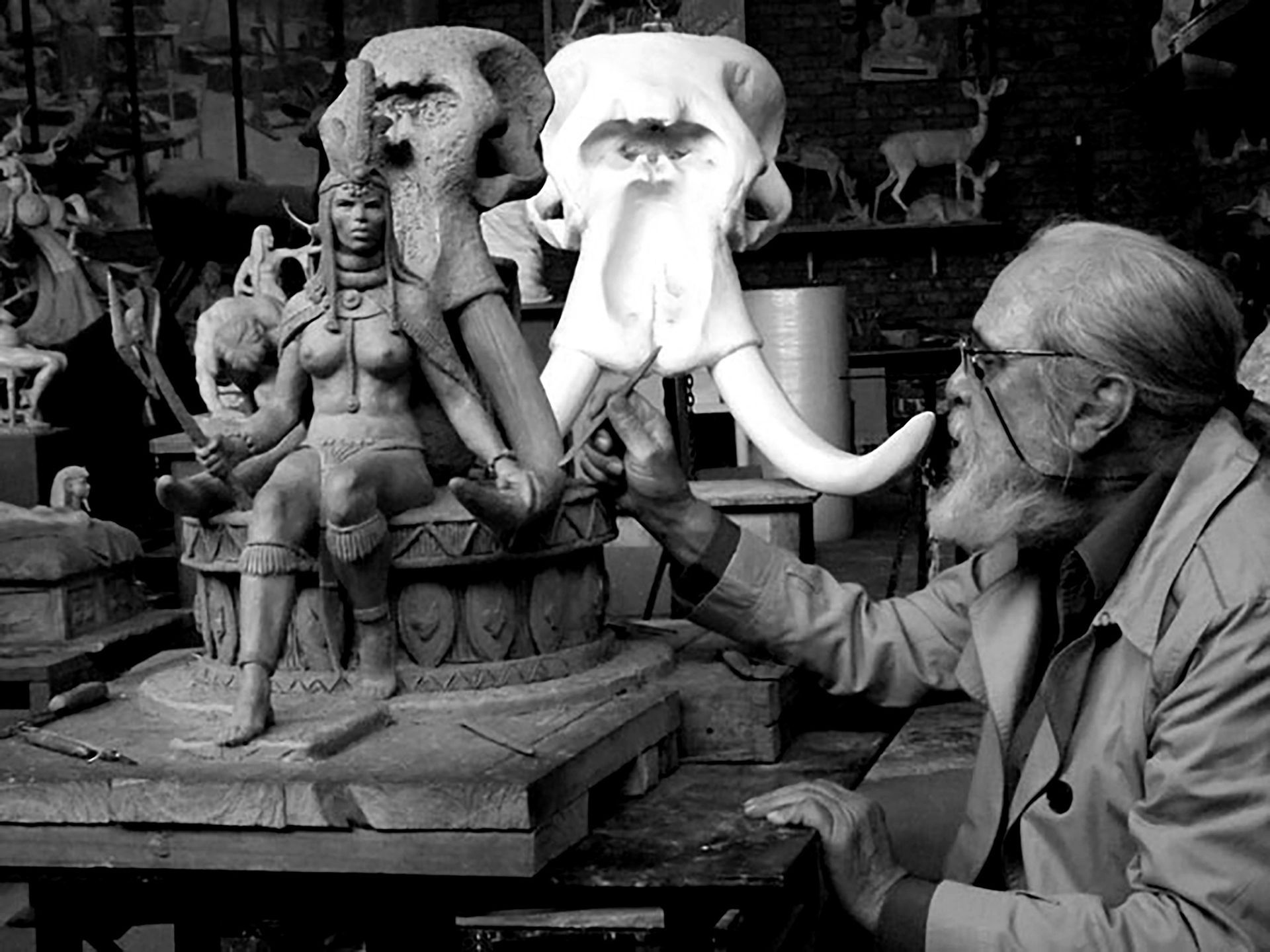
Born on 16 June 1938 in the quiet township of Soekmekaar in South Africa’s northern reaches, Tienie Pritchard was an artist whose life became synonymous with the exploration of the human form as both metaphor and meaning. From his earliest years he sensed that art was not merely craft, but a sacred conversation between the inner world of the spirit and the visible world of form. Long before he picked up clay, Pritchard carried an inner vision — a deep calling to express what words alone could never convey. His artistic journey was not just toward mastery, but toward truth itself: that within every human body lies an echo of the eternal.
Beginnings & Early Artistic Awakening
Initially serving in the Department of Social Welfare after finishing school, Pritchard longed for a life that transcended routine. His earliest art experiments were born of solitude and devotion — hours spent drawing, painting, and imagining forms that flickered at the edges of his perception. His encounter with clay was transformative: it became the medium through which he discovered the sacred language of sculpture, where form and spirit meet.
In pursuit of this calling, he studied at the Pretoria Art School under the guidance of Eugene Bouffa from 1965 to 1967. Following this period, he committed himself fully to sculpture, leaving government work in 1968 to become a full time sculptor. His commitment to classical realism, informed by an unwavering study of anatomy, allowed him to capture the body in ways that reflected not only physical presence, but the deeper rhythms of emotion and imagination.
The Human Form as Language
Central to Pritchard’s philosophy was the belief that the nude human figure is not simply a subject of art, but a language capable of expressing the breadth of human experience. To him, the body in its purest form carries associations with myth, history, culture, and spiritual resonance. He often assembled a human skeleton and studied every muscle and tendon as part of his artistic discipline — a testament to his belief that sculpture is not simply imitation, but embodiment.
His very first public commission — completed in 1972 — was a defining moment. Life Cycle, a sculpture group portraying the stages of human life in the nude, was commissioned by the Department of Internal Affairs in Pretoria. At the time, government sponsorship of nude sculpture was virtually unheard of in South Africa and ignited controversy among conservative sectors of society. Rather than deter him,
the debate marked the beginning of a career devoted to artistic honesty and emotional integrity.
Major Works & Public Commissions
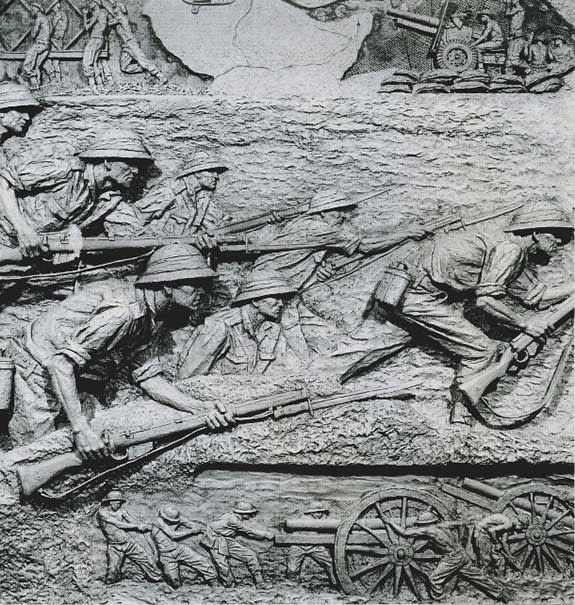
Pritchard’s oeuvre spans monumental public commissions and smaller, more intimate bronzes, each imbued with poetic depth. Life Cycle (1972) was a groundbreaking work representing the stages of life; controversial at the time, it is now revered for its bold exploration of human existence. George Harrison (1987), a nine-metre-high bronze in Johannesburg, commemorates the city’s history and spirit, while Water Nymphs (circa 1982), standing six metres tall, celebrates the healing waters of Bela Bela. The Delville Wood War Panel (1985), a powerful relief measuring three metres by ten metres in France, honours South African troops in World War II.
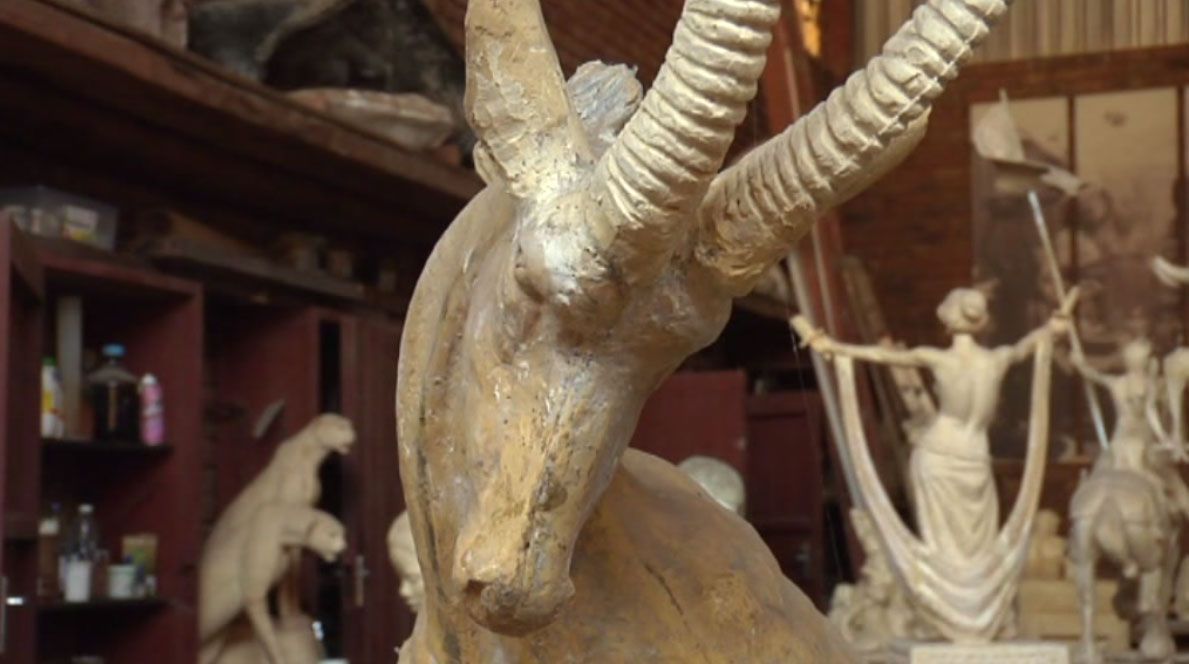
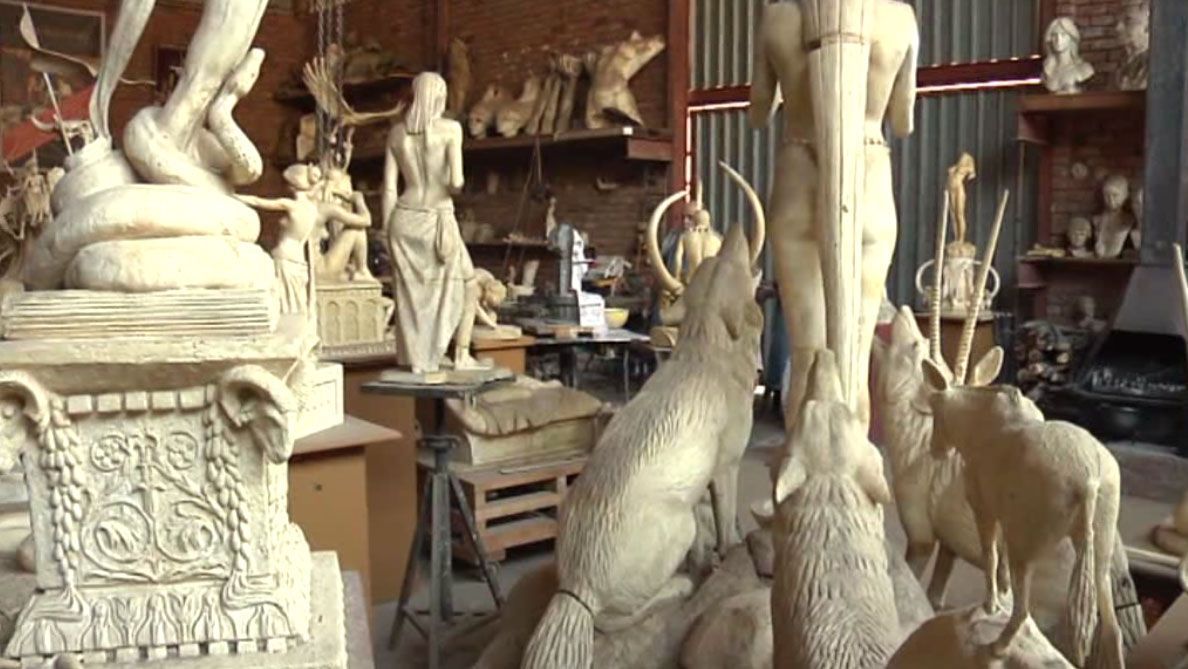
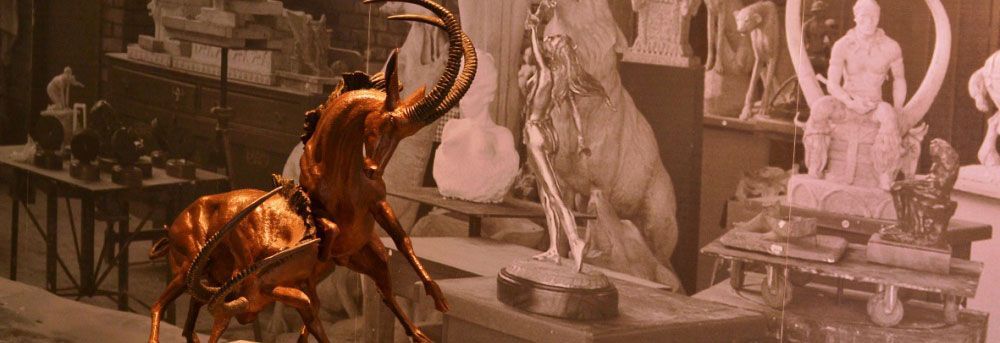
His Fountain of Wolves and Impala Group are expressive group sculptures that integrate human narrative with the rhythms of the natural world. In each work, Pritchard balanced scale and intimacy, blending classical techniques with innovative compositions that prompt deeper reflection on history, culture, and the universal rhythms of humanity.
Themes, Vision & Artistic Ideals
Pritchard’s artistic vision was rooted in an exploration of the mythological, cultural, and symbolic realms that shape human consciousness. He drew inspiration from ancient civilizations, mythic archetypes, heroic figures, and spiritual narratives, all interpreted through the lens of the human body.
His subjects encompassed heroic and historical figures such as Shaka, Cleopatra, and Jeanne d’Arc; archetypes of the human spirit, from priestesses and goddesses to warriors and mystics; and the interconnectedness of human and animal life, explored in works that blend form, symbolism, and narrative. Pritchard often preferred the female form for its subtle curves and expressive potential, seeing in it a reflection of humanity’s deepest longings—strength linked with grace, presence linked with vulnerability.
Technique, Process & Mastery
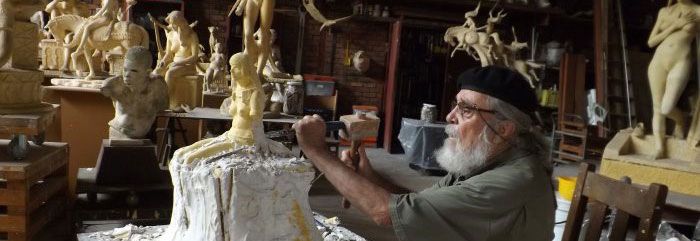
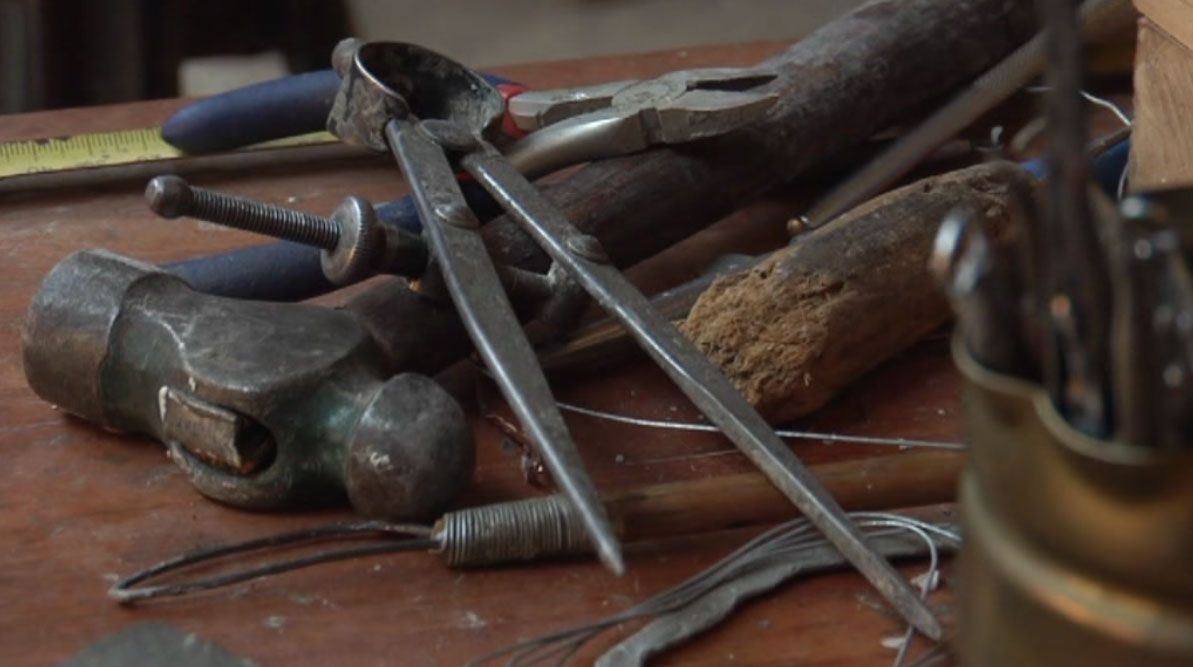
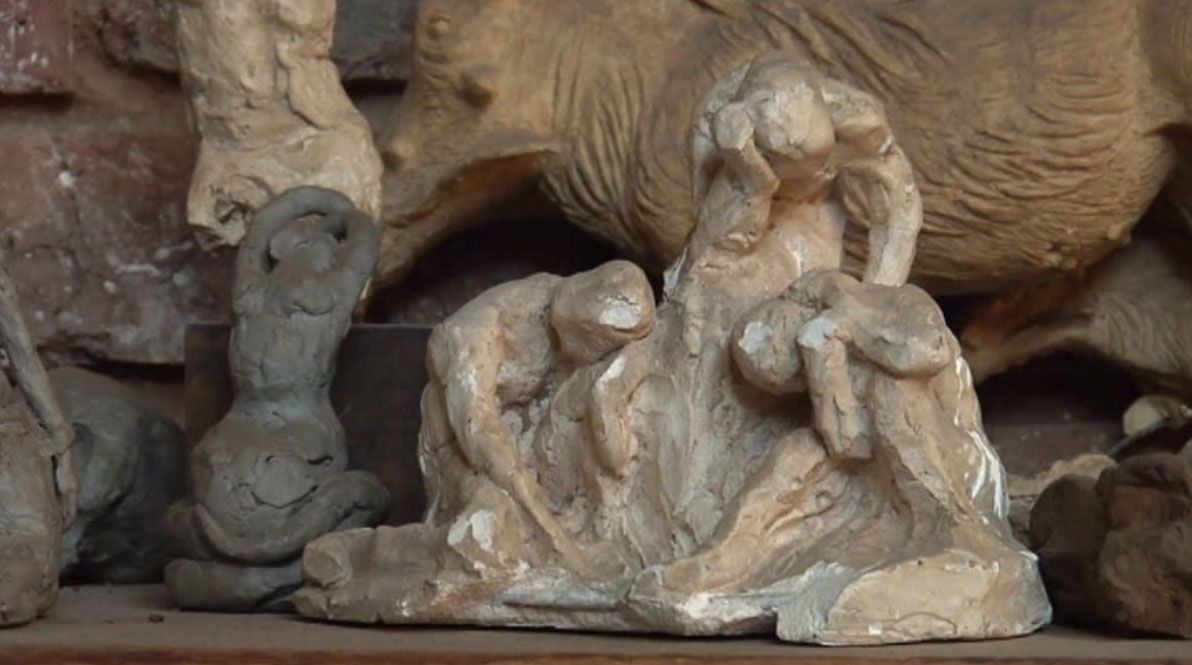
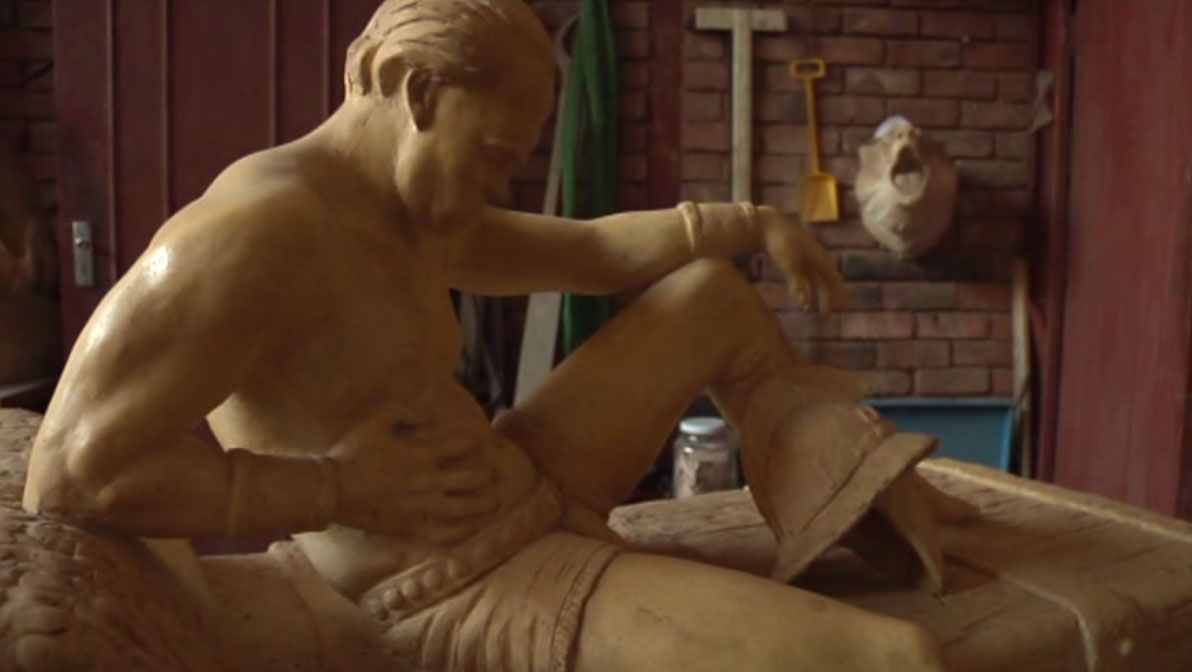
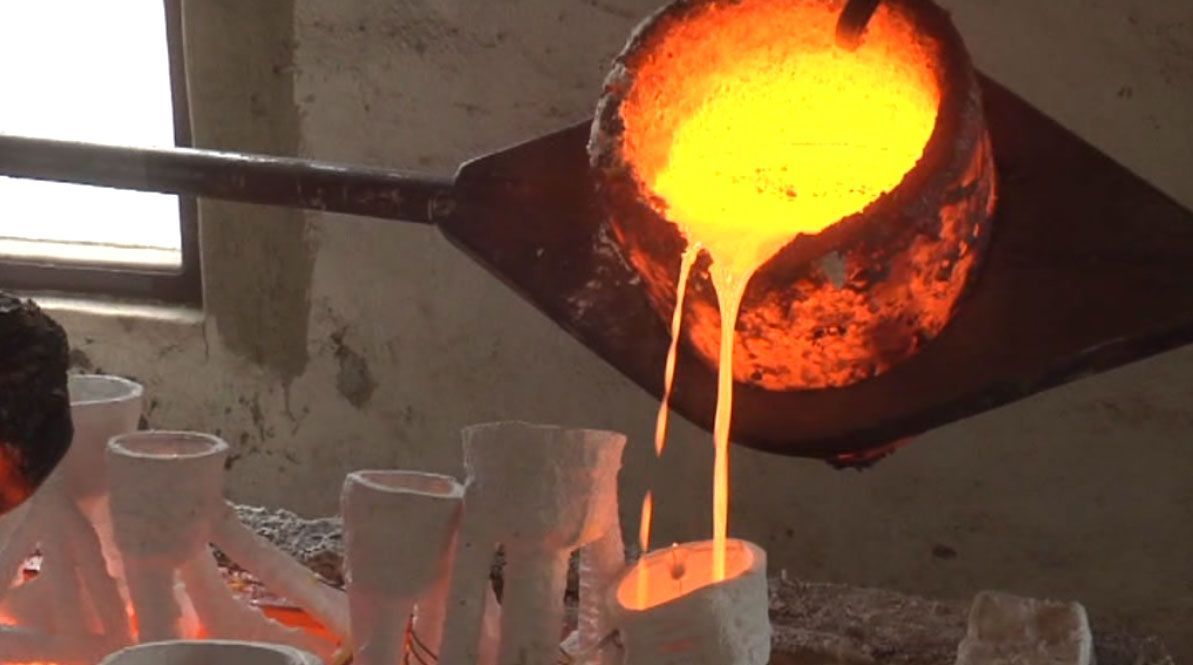
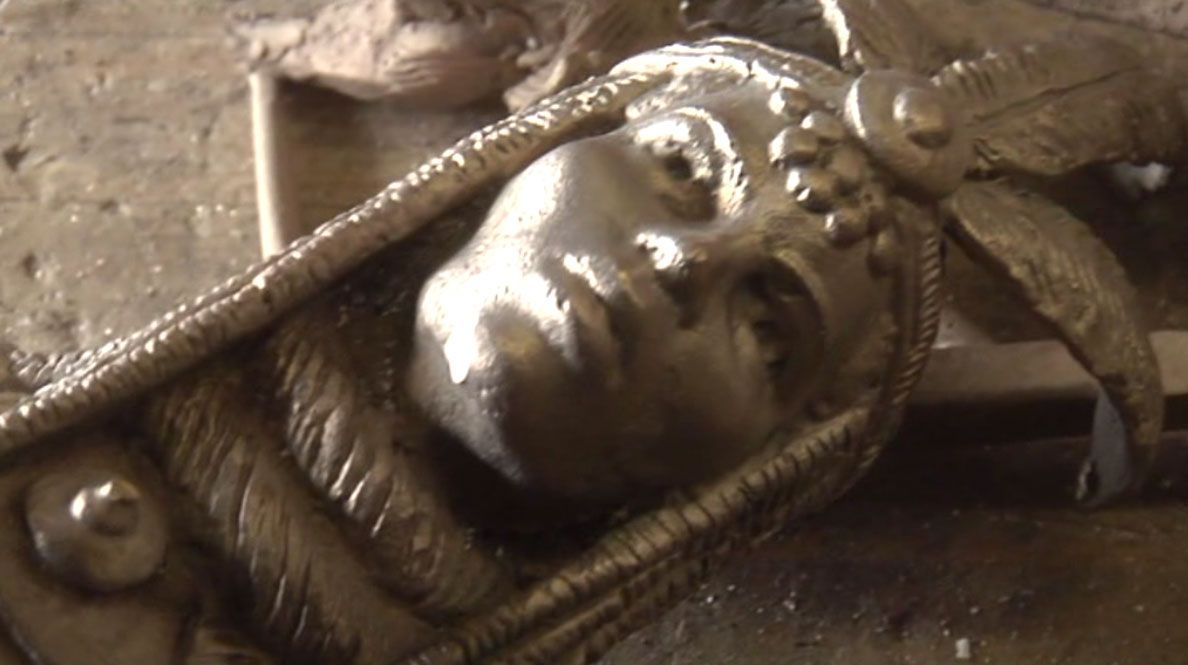
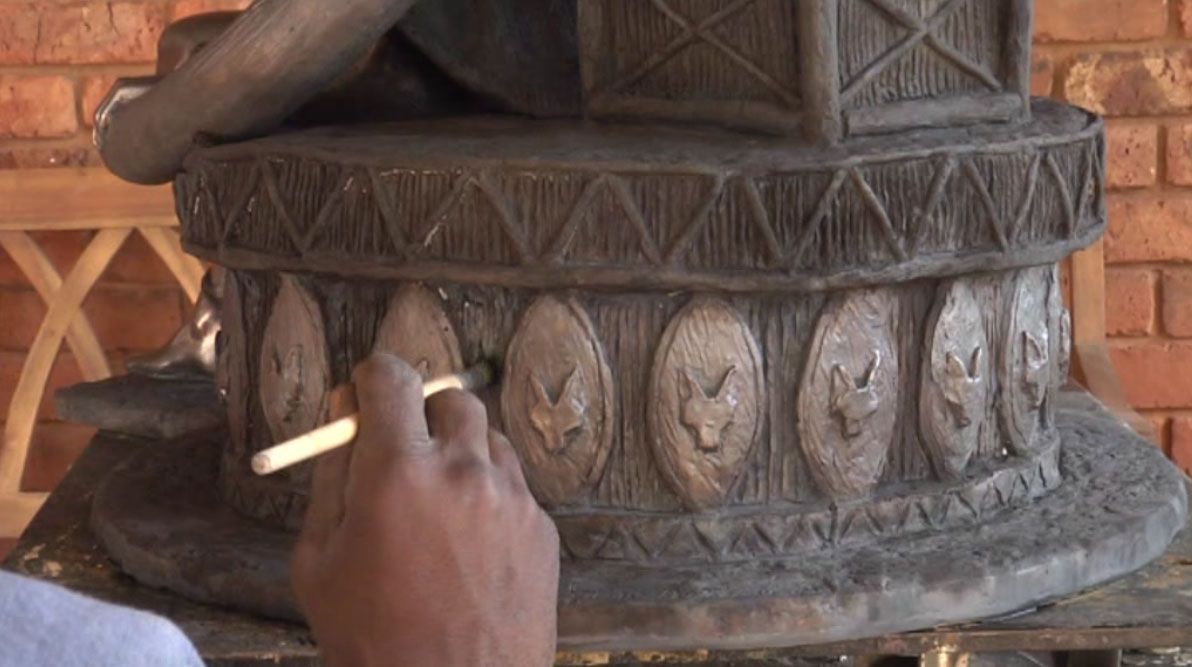
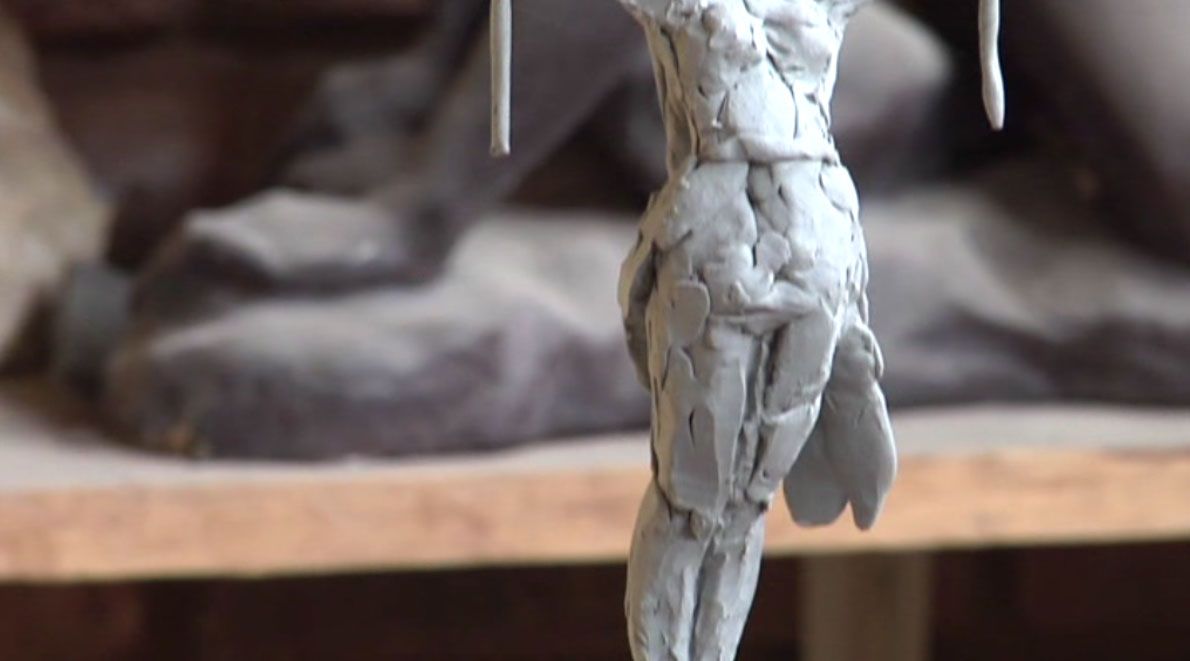
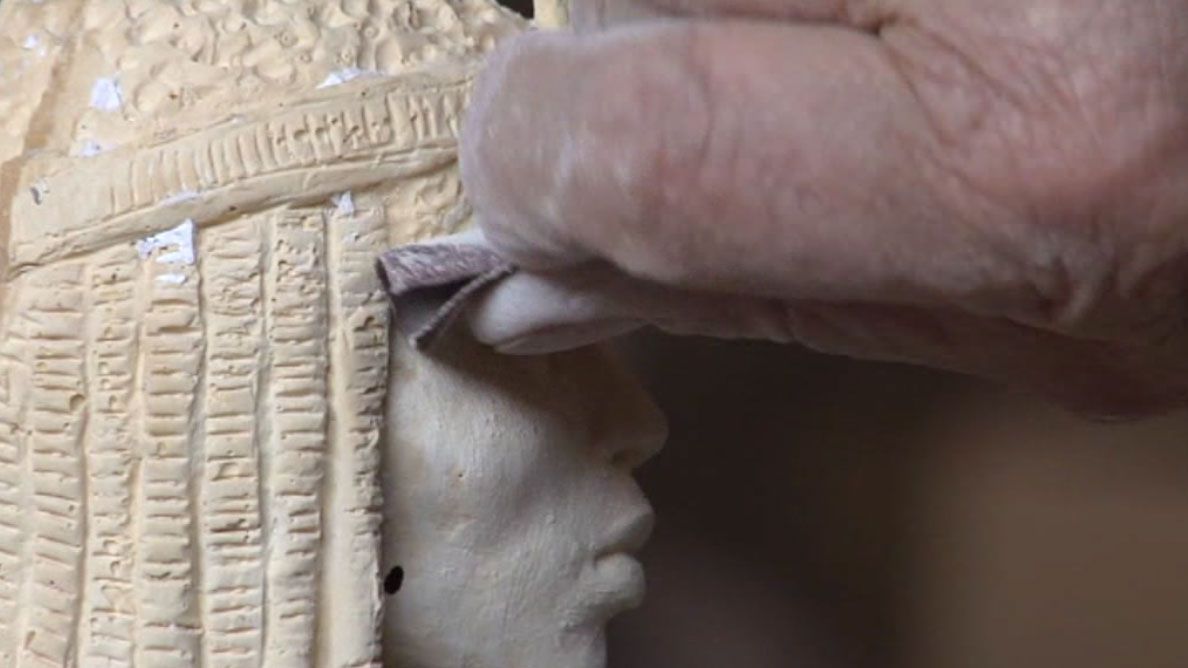
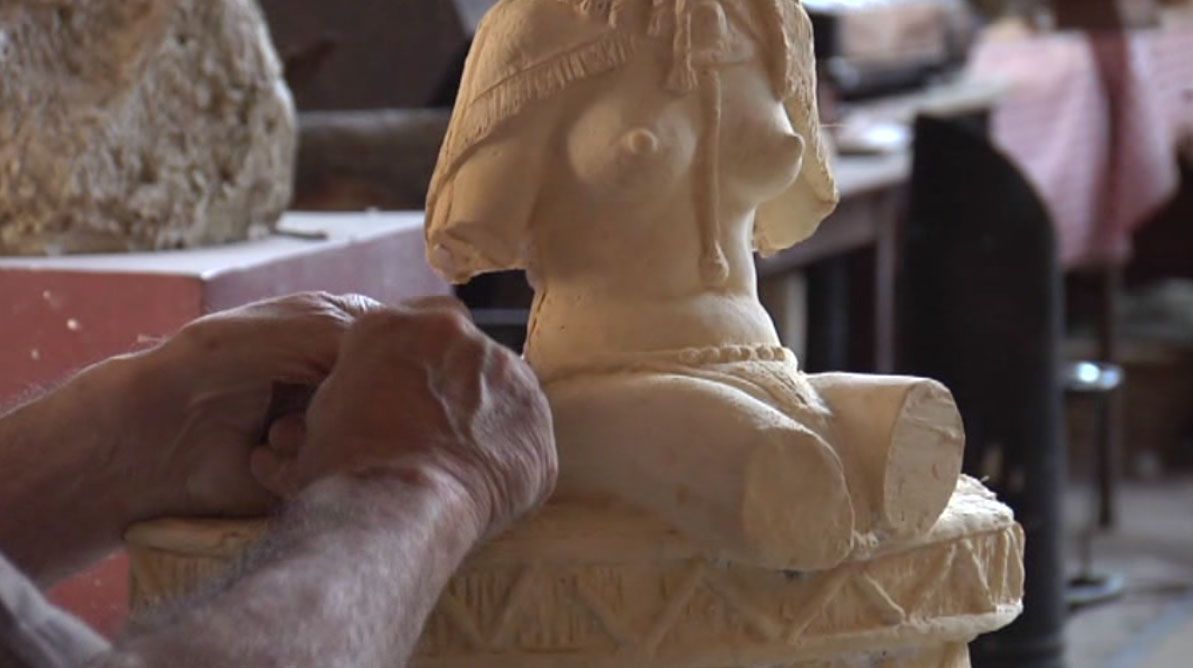
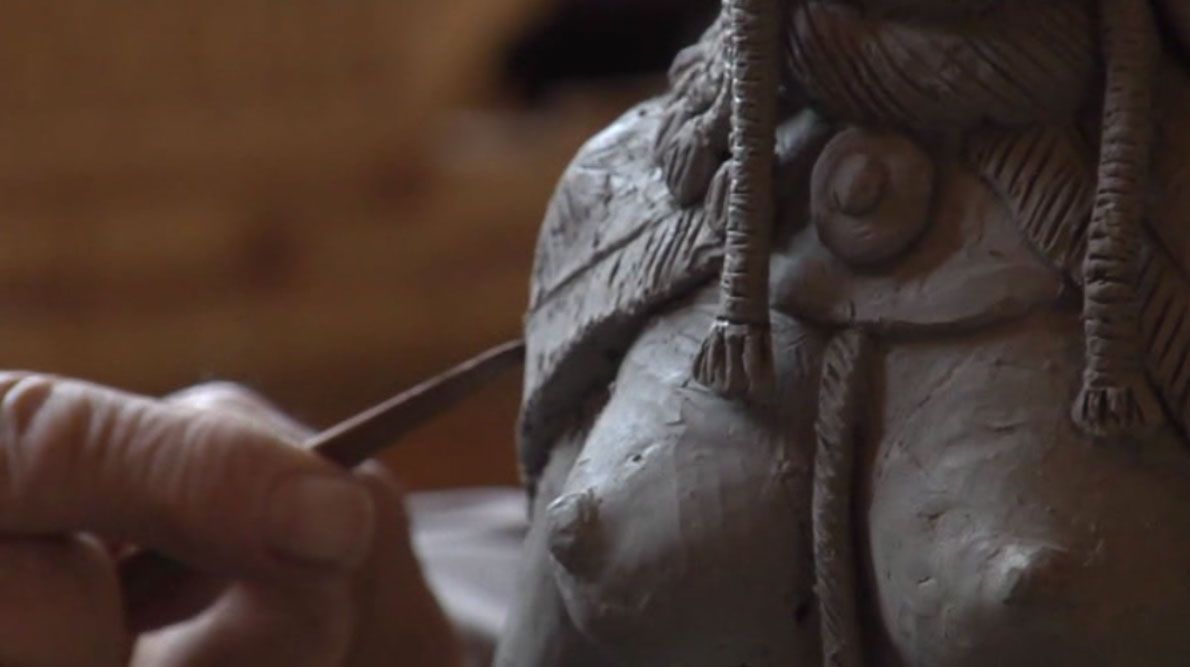
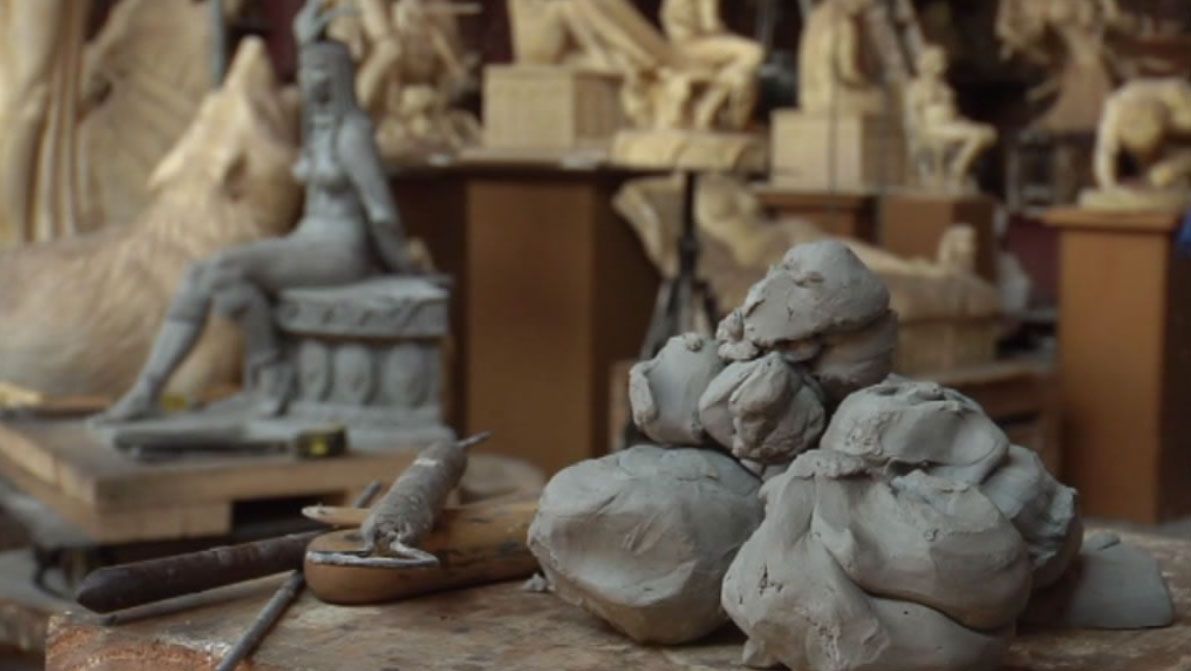
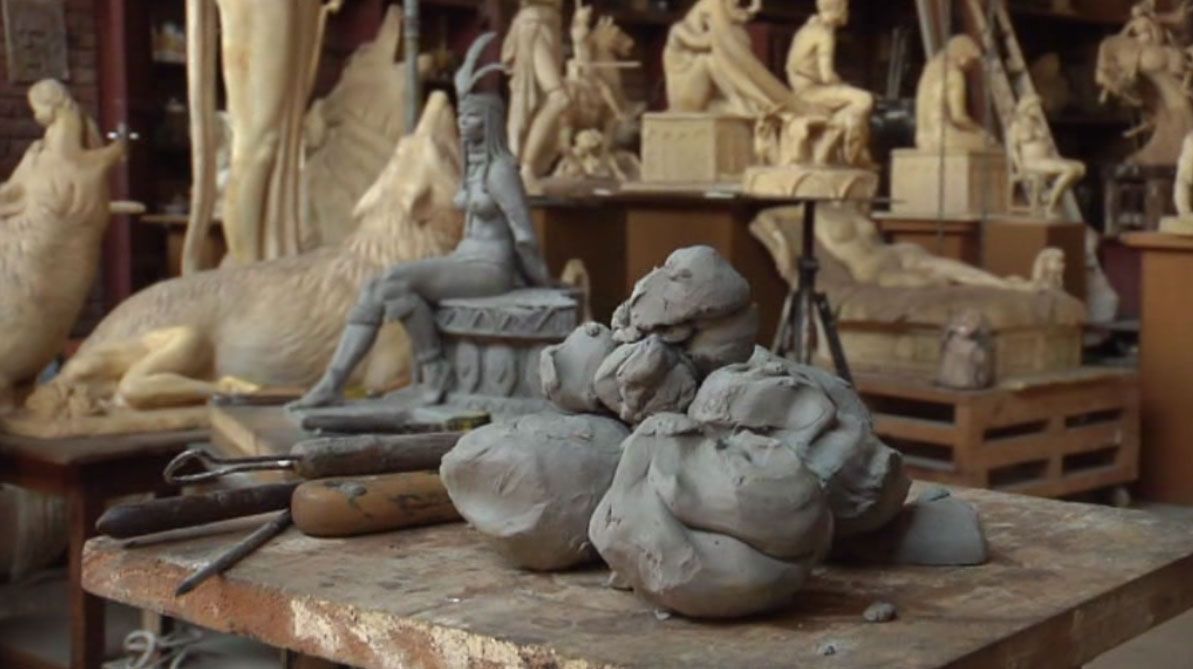
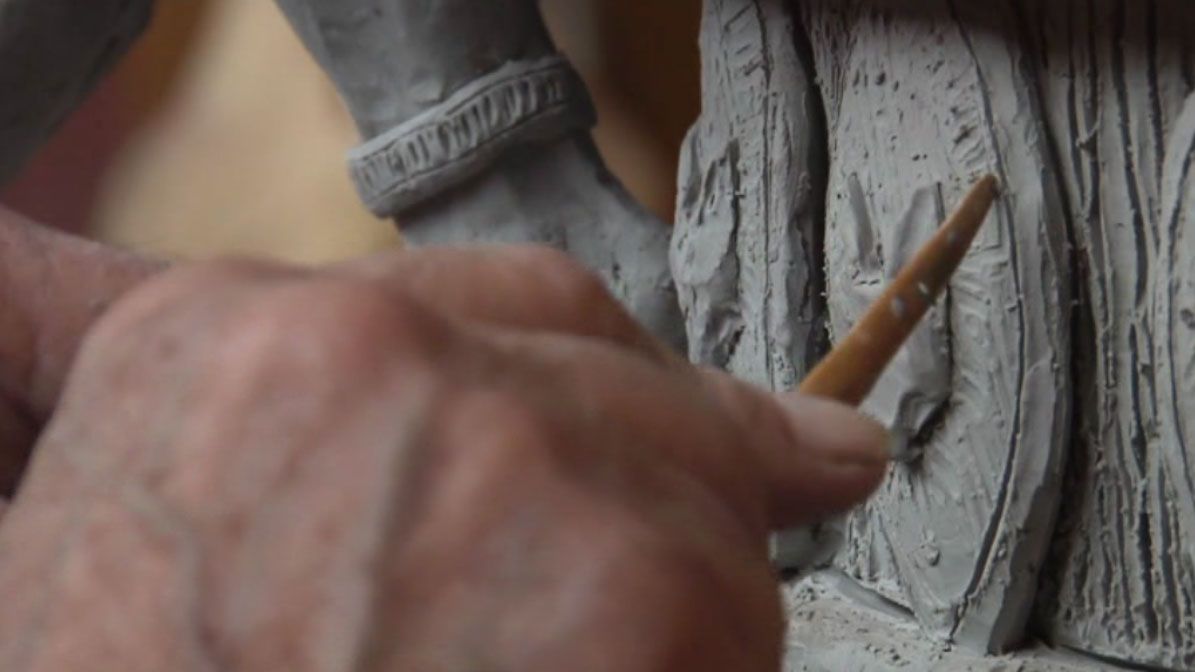
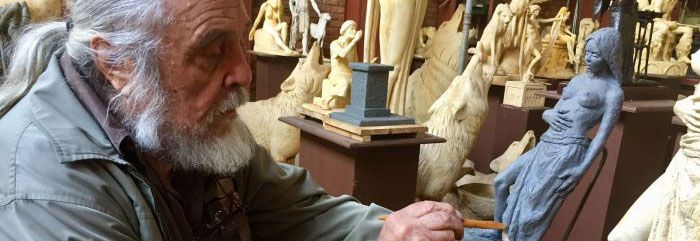
Each sculpture began with clay and live models, a practice Pritchard insisted upon to ensure that his works carried an animating spirit rather than a static representation. From clay modelling to plaster cast and final bronze, his process was meticulous. He limited his editions to no more than fifteen casts, ensuring that each piece remained intimate, profound, and deeply considered.
Pritchard’s style, firmly grounded in classical realism, echoed the ancient Greek masters whose work he revered, yet his vocabulary remained distinctly his own — a fusion of technical precision and metaphorical resonance.
Legacy, Collection & Influence
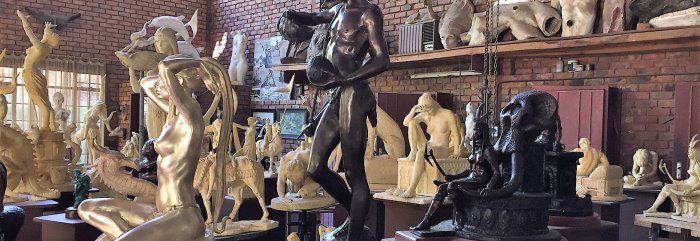
Pritchard’s works are represented in public and private collections across South Africa and internationally, including institutions, estates, cultural centres, and museums. The Tienie Pritchard Museum at the Orient Boutique Hotel near Pretoria was a dedicated space where his monumental and intimate works coexist, inviting visitors into contemplative dialogue with his art.
Through his life’s work, Pritchard elevated sculpture beyond form, enabling it to serve as a mirror of memory, emotion, spirit, and shared human story. His art continues to resonate with audiences, inviting reflection on what it means to be human — in body, imagination,
and heart.