|
|
Professional Artist
Aleta Michaletos
A life devoted to the alchemy of the creative spirit
(1952 – Present)
The Architect of Ecorganic Translucence
A Paradigm of Light and Layering
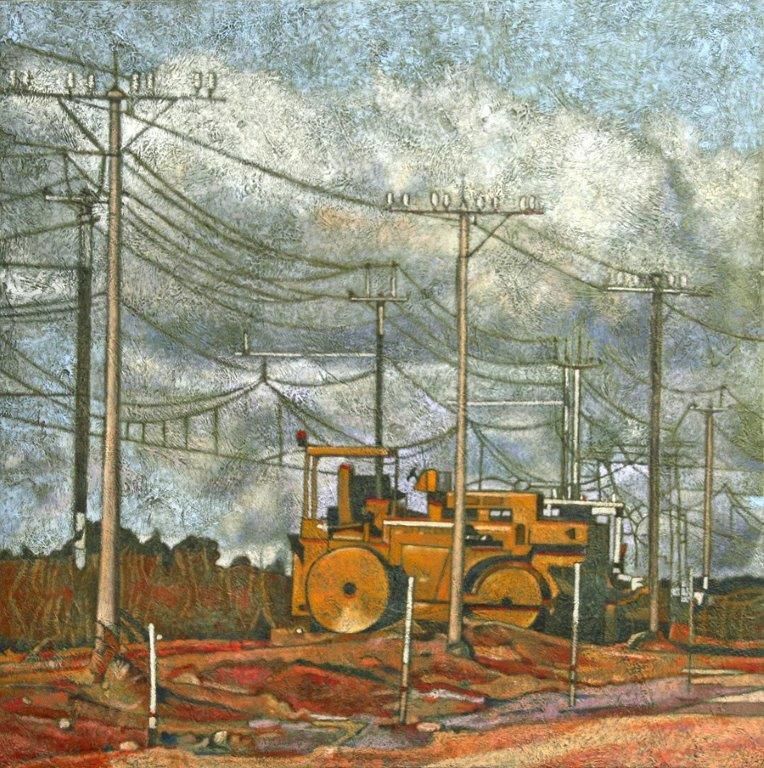
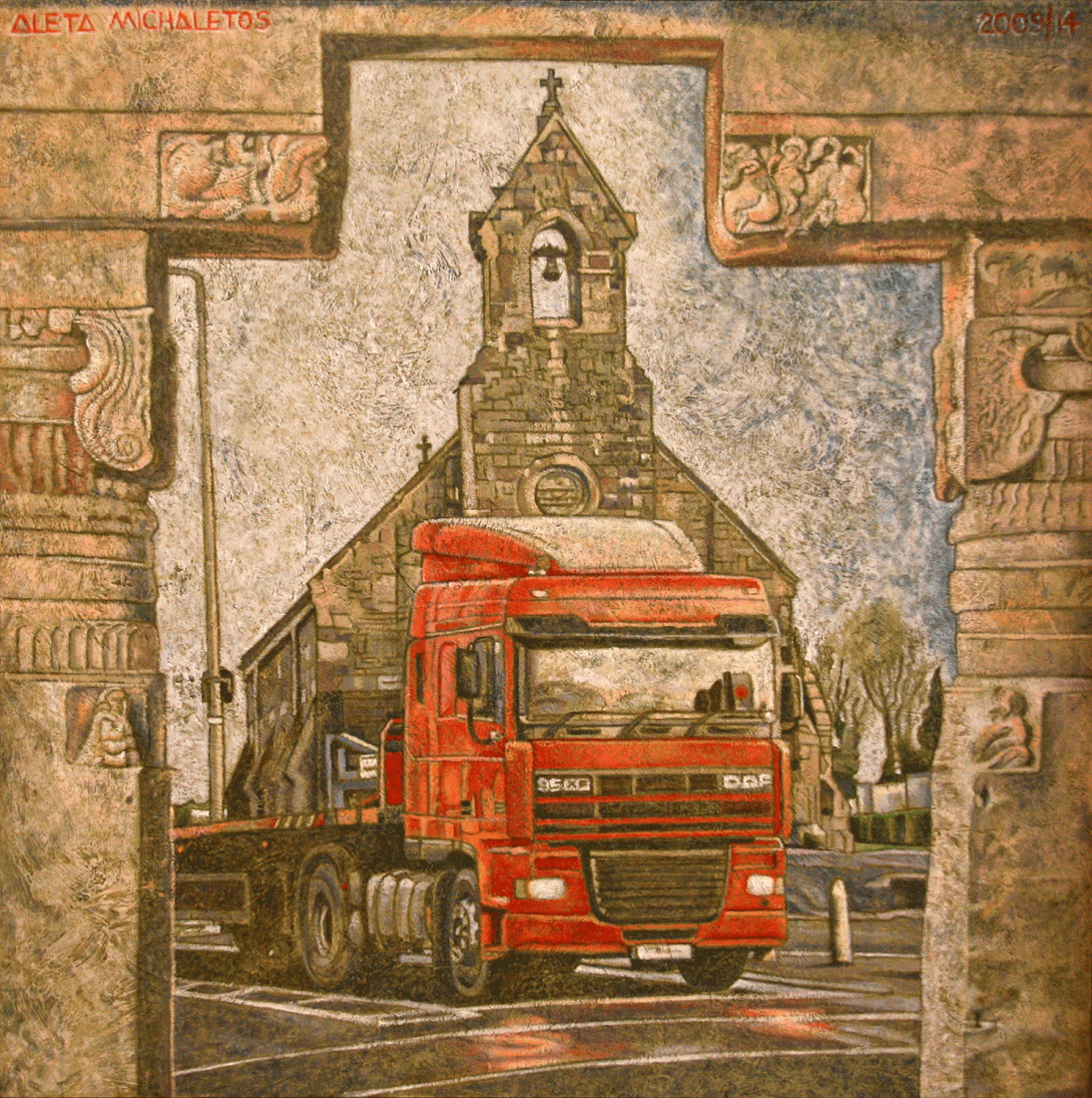
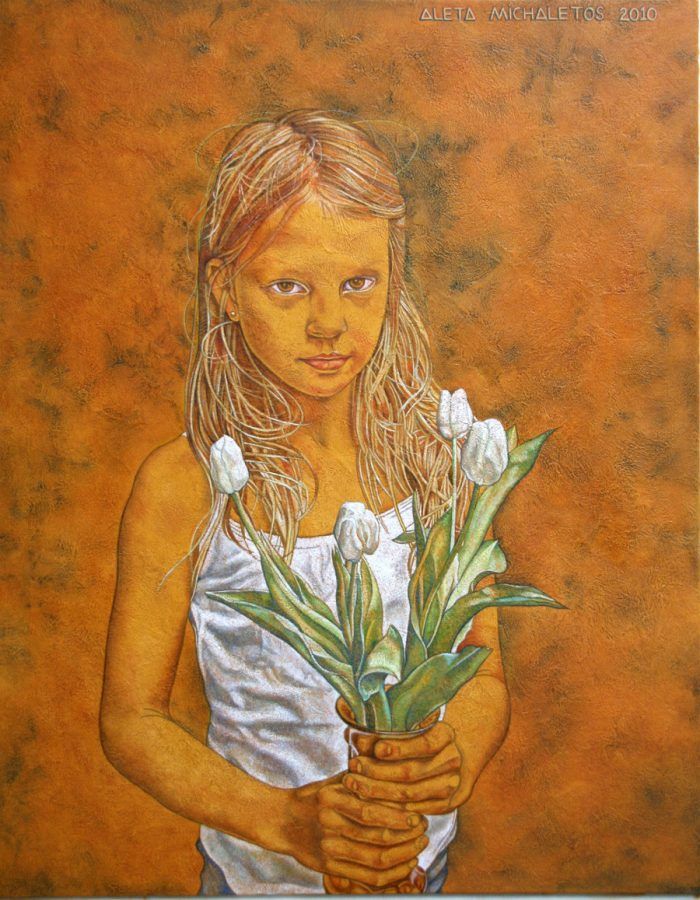
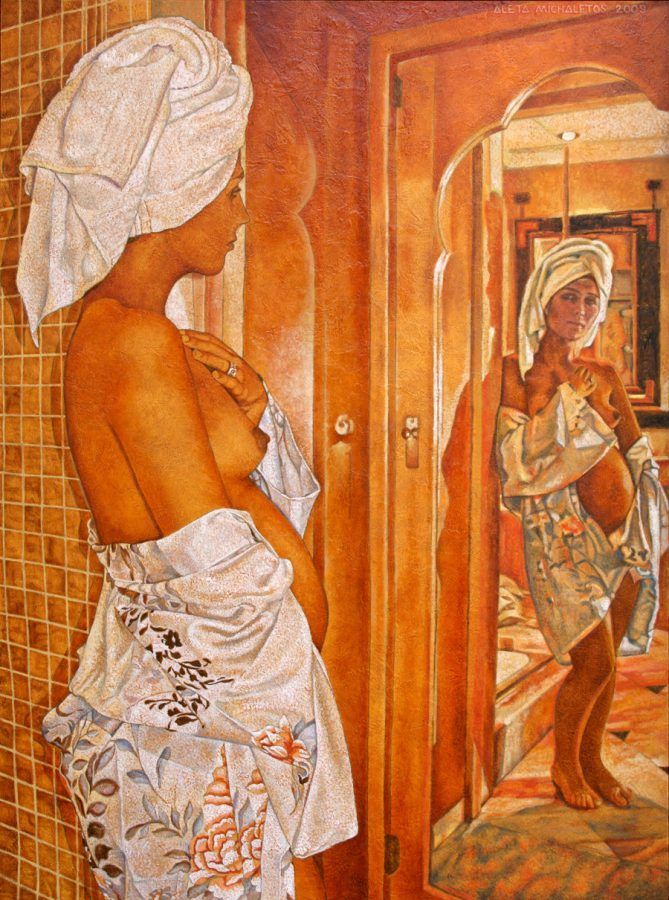
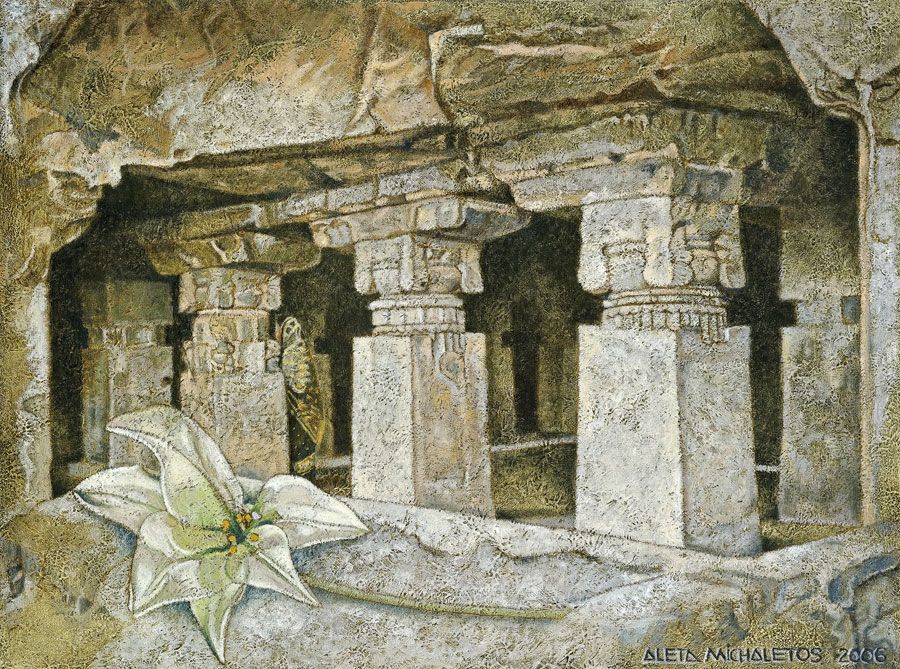
Aleta Michaletos is an artist who resists confinement—her work unfolding as a living, breathing continuum rather than a fixed identity. Based in Pretoria, she has spent more than four decades cultivating a deeply immersive artistic practice that transcends categories, moving fluidly between disciplines, ideas, and states of being. Her art is not simply created; it is discovered, revealed through an ongoing dialogue between intuition, intellect, and the unseen rhythms that shape existence.
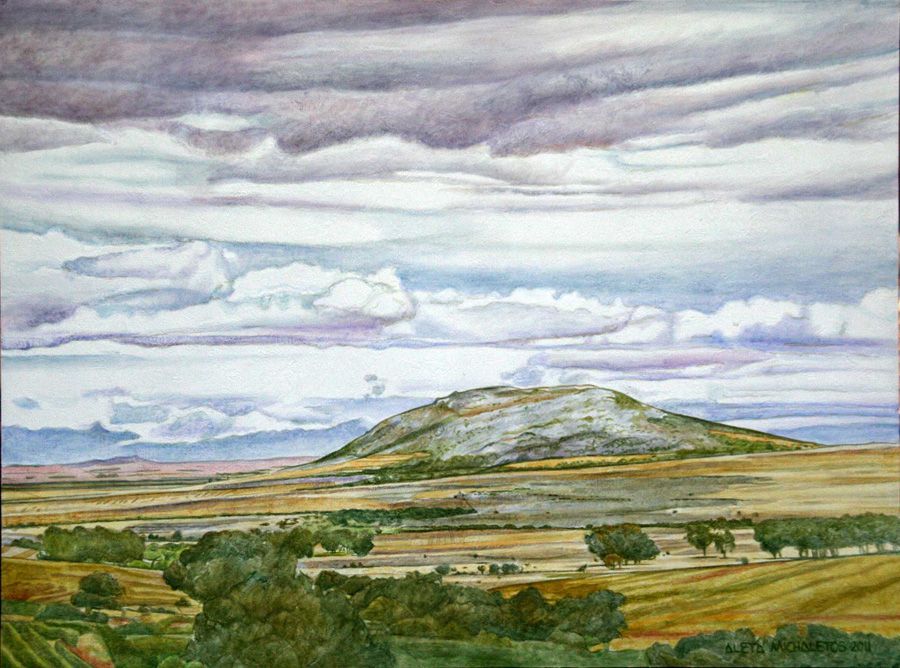
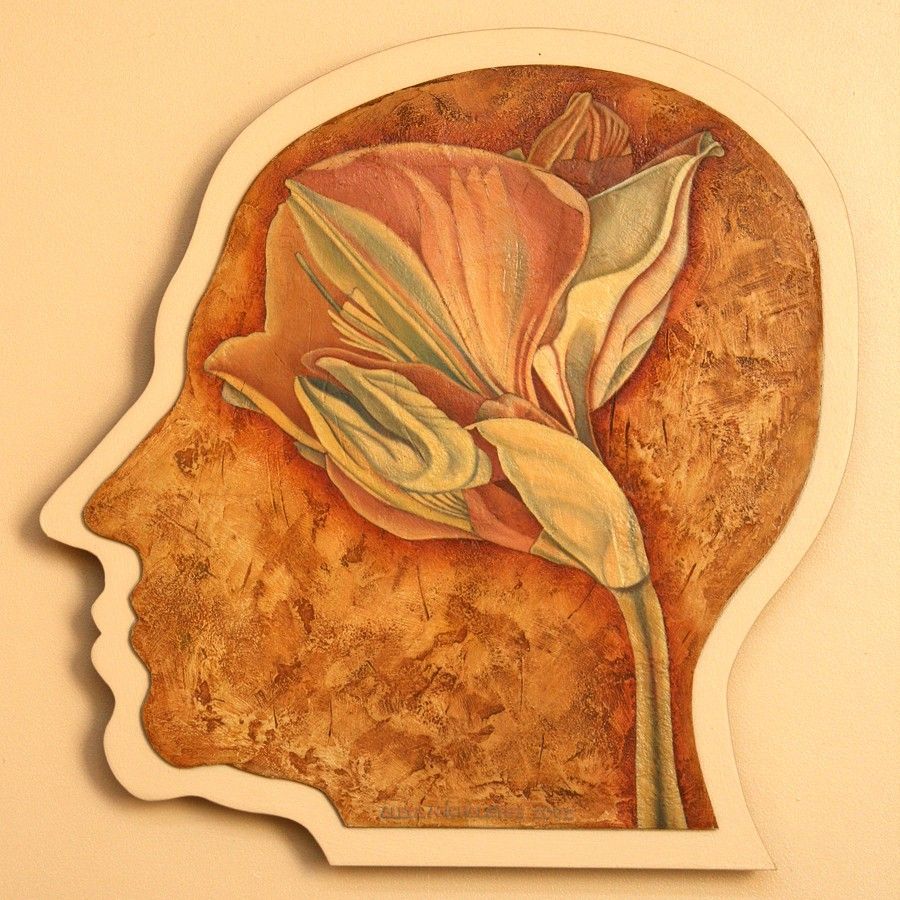
At the heart of Aleta’s work lies an acute sensitivity to the world around her. Nature, with its quiet transformations and intricate subtleties, has become both teacher and collaborator. Long, contemplative walks have seeped into her creative process, sharpening her awareness of texture, light, and the ephemeral nature of life itself. These observations are not merely represented—they are translated into layered, organic compositions that seem to evolve on the canvas, echoing the same cycles of growth, decay, and renewal found in the natural world.
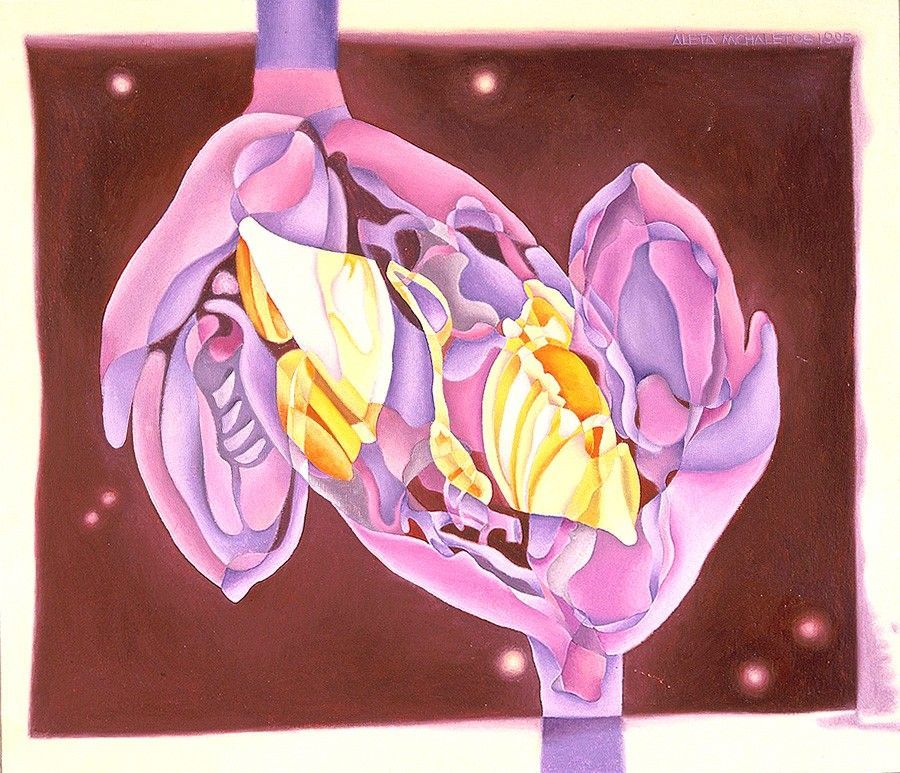
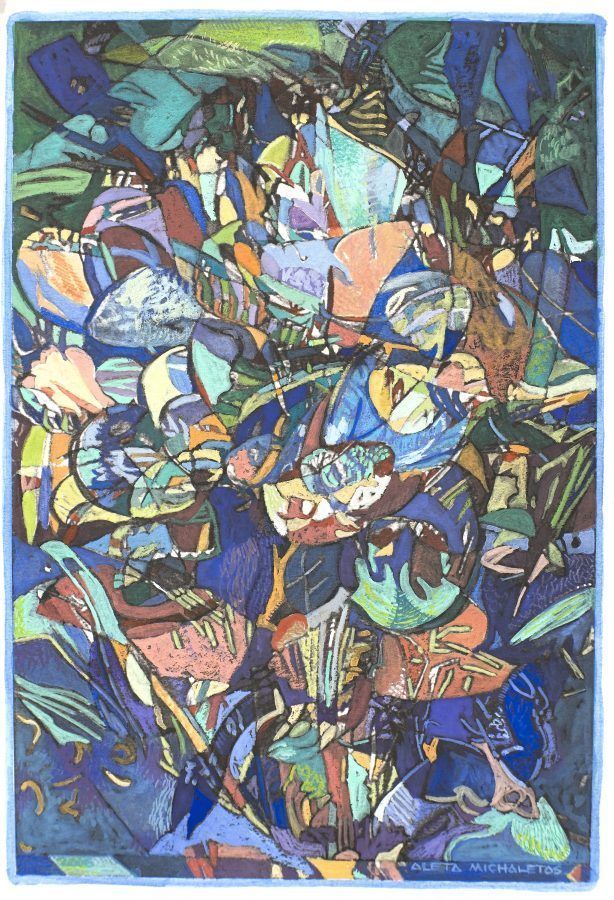
Her practice is deeply informed by a fascination with alchemy—not in the literal sense, but as a philosophical and spiritual framework. Transformation, paradox, and the interplay between opposites are central to her visual language. She works with a remarkable economy of means to create extraordinary complexity, allowing forms to emerge through processes of accumulation and refinement. At times, her works expand into dense, intricate “organisms,” pulsing with energy and detail; at others, she deliberately strips everything back to a state of quiet simplicity. This oscillation between abundance and restraint reflects a profound inner discipline—an understanding that creation also requires moments of release, distance, and clarity.
Throughout her career, Aleta has embraced contradiction as a source of strength. Her oeuvre is defined by a continual balancing of opposites: chaos and order, intellectual rigor and playful spontaneity, darkness and light, structure and fluidity. These tensions are not resolved, but harmonized—held in a delicate equilibrium that gives her work both depth and vitality. What emerges is a body of work that feels simultaneously grounded and transcendent, intricate yet intuitive, personal yet universally resonant.
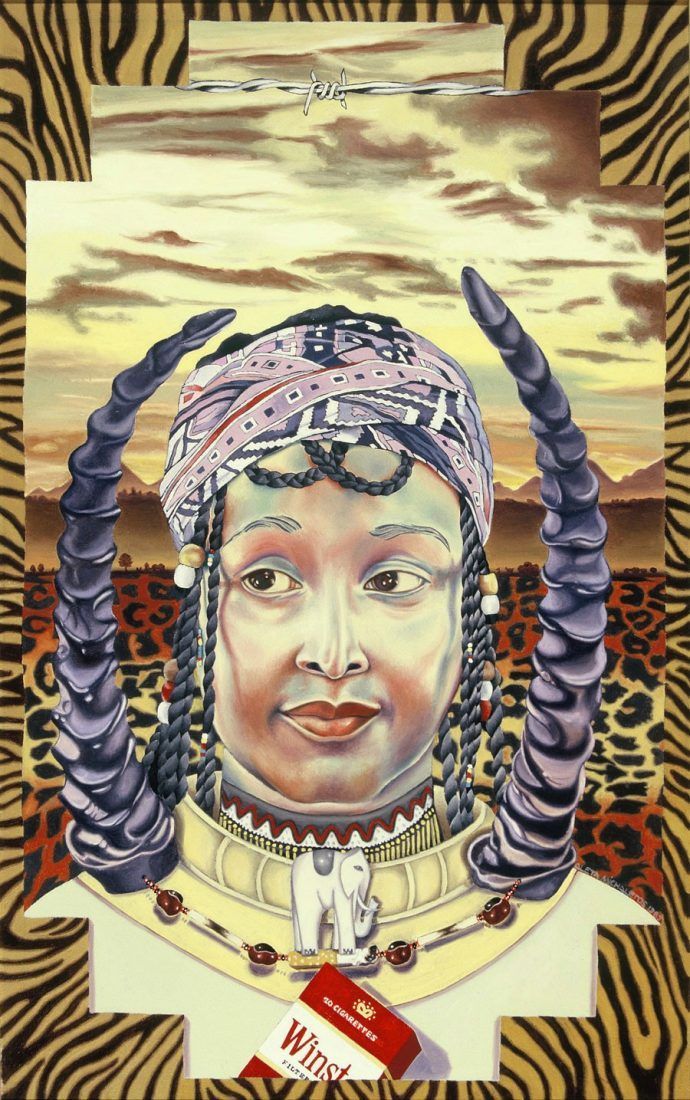
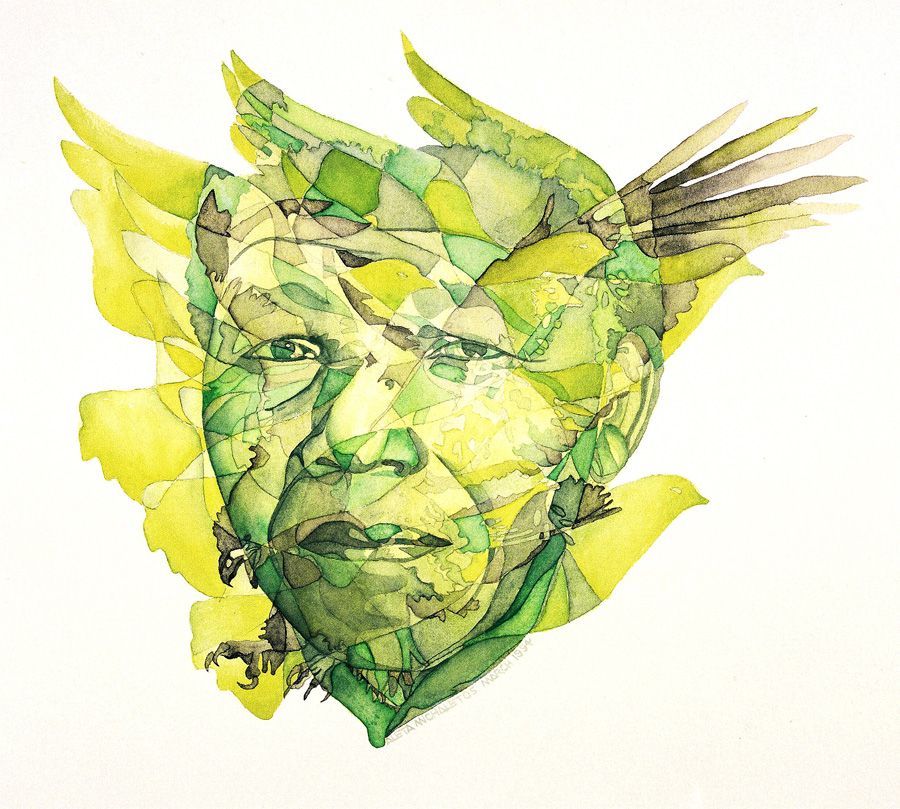
Her journey as an artist began with a formal education in Fine Arts at the University of Pretoria, completed in 1974. Since then, she has built an extraordinary career marked by over 40 solo exhibitions and participation in more than 160 group exhibitions, both locally and internationally. Her work has been exhibited in major cultural centers including Paris, New York, and various institutions across South Africa, and is held in numerous public, corporate, and private collections worldwide. In 1994, her symbolic portrait Rebirth earned her the prestigious United Nations Art & Philatelic Award, placing her among an esteemed lineage of globally recognized artists.
Beyond her personal practice, Aleta has played a significant role in nurturing the artistic community. As the founder and long-standing director of her own gallery, she has created a space not only for her own work, but as a platform for emerging artists—an environment where ideas can be shared, challenged, and brought to life. Her commitment to mentorship and dialogue extends into her writing, lectures, and public engagements, where she continues to explore the question that has quietly guided her life’s work:
what inspires the artist?
Aleta’s art is also deeply responsive to the world she inhabits. In the face of social and political turbulence, particularly within the South African context, her work becomes an act of quiet resistance—an offering of beauty, harmony, and hope. Through ambitious conceptual projects and meticulously crafted works, she seeks to promote reconciliation, balance, and the enduring strength of the human spirit. Her creations do not ignore reality; they transform it, offering new ways of seeing and understanding.
To encounter Aleta Michaletos’ work is to step into a richly woven tapestry of thought, feeling, and experience. Each piece carries within it the traces of a lifelong journey—threads of memory, philosophy, observation, and imagination intricately intertwined. Her paintings are not static objects but evolving conversations, inviting the viewer to pause, to reflect, and to engage with the deeper currents of existence.
For Aleta, being alive is inseparable from being an artist. Creation is her language, her inquiry, and her offering. With every work, she continues to explore the vast terrain between the visible and the invisible, the known and the unknowable. And in doing so, she reminds us that art, at its most powerful, is not merely something we see—it is something we feel, something we enter, and perhaps, something that gently transforms us in return.
TRANSLUCENCE: IDYLLIRIUM
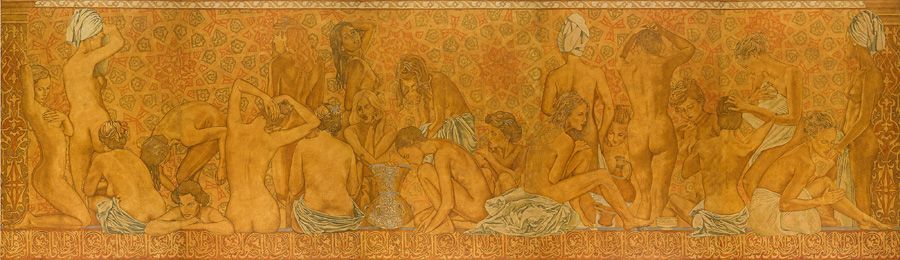
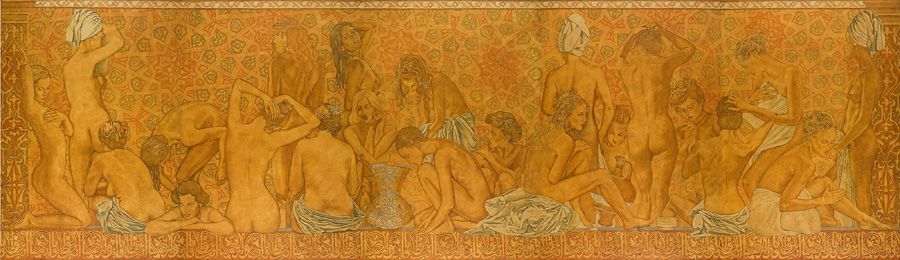
Idyllirium unfolds as a luminous threshold between worlds—a place where form softens into feeling, and the visible dissolves gently into the ethereal. As the most ambitious work within Aleta Michaletos’ Translucence: Les Filles et Garçons series, it stands not only as a monumental achievement in scale, but as a deeply intimate meditation on femininity, presence, and the quiet poetry of being.
Composed of five interconnected panels stretching across 4.5 metres, the work reveals itself slowly, almost like a breath extending through space. Within this expansive field, twenty-two female forms emerge—fluid, rhythmic, and interconnected—guiding the viewer’s gaze in a soft, continuous movement. There is a musicality here, a visual cadence shaped by the curvature of bodies and the subtle orchestration of line and gesture. The eye does not rest in one place; it wanders, it listens, it feels its way through.
These figures exist in a state of serene unawareness, as though untouched by observation. They inhabit their own inner world—private, sacred, complete. In witnessing them, one is offered not a spectacle, but a quiet privilege: a fleeting glimpse into something intimate and unguarded. Only a single figure, partially concealed, meets the gaze—an almost imperceptible moment of connection that feels less like confrontation and more like acknowledgment. A reminder, perhaps, that even within the most inward spaces, there is a subtle thread that binds us to one another.
The nude form, in Idyllirium, transcends its physicality. It is neither exposed nor concealed, but rather held within the ancient notion of nuditas virtualis—a state of purity and innocence that exists beyond duality. Here, the body becomes a vessel of essence rather than object, dissolving any tension between vulnerability and strength. Each figure, whether delicately linear or softly abundant, contributes to a broader tapestry of femininity—one that honours diversity, complexity, and the many expressions of beauty across cultures and time.
There is a quiet dialogue between simplicity and intricacy throughout the work. The figures themselves are rendered with a refined restraint—fluid, almost weightless—while the surrounding surfaces carry a deeper, more intricate patterning. Subtle motifs, inspired by Oriental design, ripple beneath and around the forms, creating a layered tension between the ornamental and the essential. It is within this interplay that the work breathes: complexity held in balance with clarity, richness softened by stillness.
Echoes of classical and decorative traditions gently surface—whispers of Botticelli’s grace and Alphonse Mucha’s lyrical sensuality—yet these influences are not imitated, but transformed. They are absorbed into Aleta’s own visual language, re-emerging as something distinctly her own: timeless, yet unbound by any single era or style.
At its core, Idyllirium is an ode—a quiet offering to a state of harmony that feels both distant and deeply remembered. It evokes a kind of inner sanctuary, a Shangri-La of the spirit, where nothing is fractured, nothing is hurried, and nothing seeks to dominate. It is a place where opposites dissolve into unity, where beauty exists without tension, and where the human form becomes a gentle expression of something far greater than itself.
To stand before Idyllirium is not simply to observe a work of art, but to enter into it—to be softened by it, stilled by it, and perhaps, in some subtle way, restored by it. Idyllirium was commissioned by Legacy in 2005.